
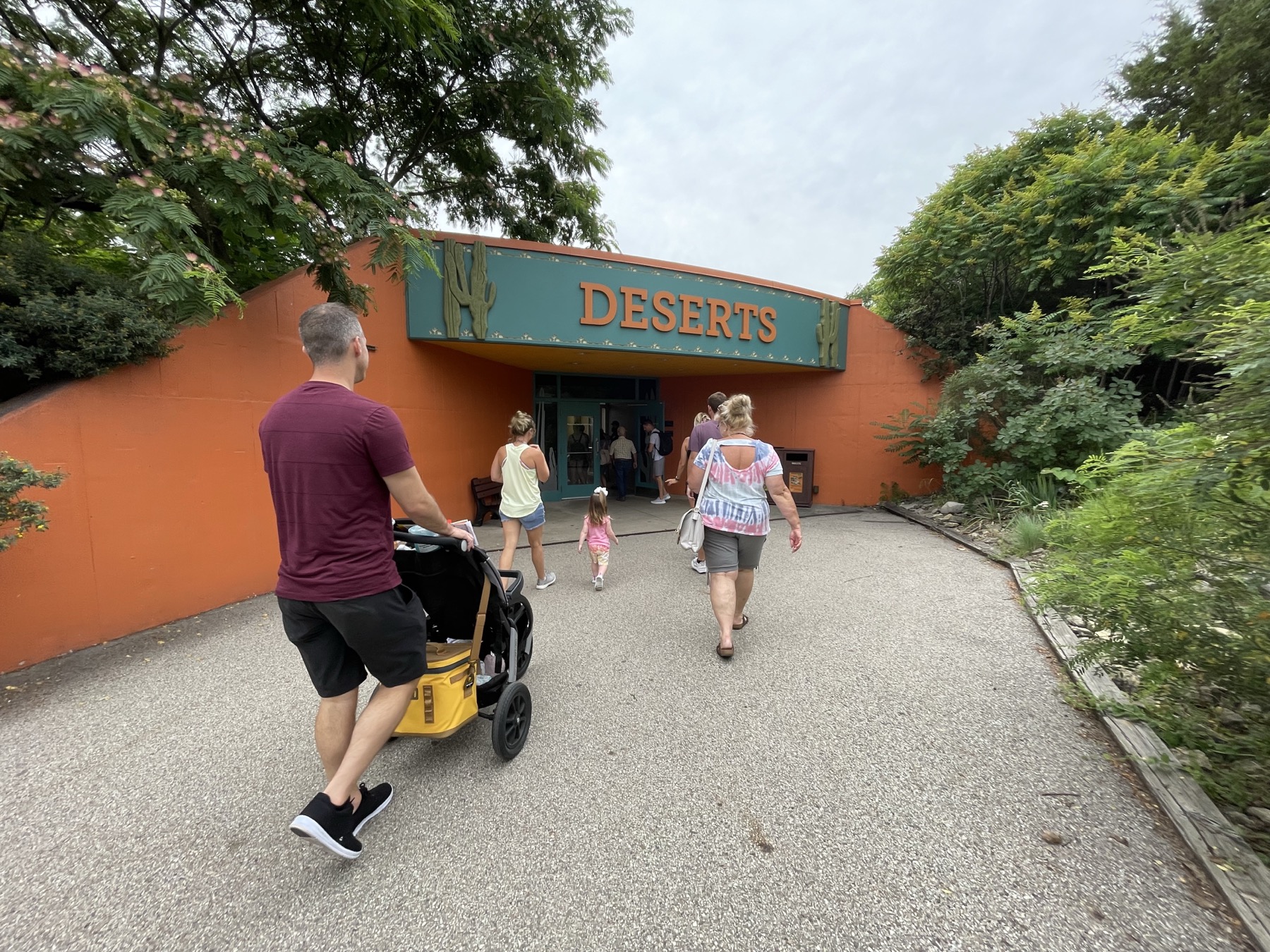
Most people do not frame a zoo visit as a hydration challenge. It feels like a fun plan, maybe a family weekend activity, maybe a spring break outing, maybe a long afternoon that happens to involve a lot of animals and a lot of walking. Because it lands in the leisure category instead of the exercise category, water tends to drop down the priority list fast. You remember tickets, sunscreen, snacks, stroller gear, maybe a hat for the kids, and then the day starts moving before anyone really checks in on basic hydration.
That is what makes zoo days sneaky. They are rarely intense in one obvious way. Instead, they layer a bunch of smaller factors together. You walk more than you expected. You stand in lines where the sun feels hotter than it did in the parking lot. You push a stroller or carry a backpack. You move from exhibit to exhibit without a clear personal rhythm. You grab snacks, pause for photos, maybe share a frozen treat, and somewhere in all of that plain water gets delayed again.
It also helps explain why people often feel more tired on the drive home than the outing looked on paper. A zoo visit can stretch for hours, especially when you are trying to fit in one more animal area or one more feeding time before leaving. Even if the pace is relaxed, steady movement and time outdoors can quietly add up. If hydration never becomes an intentional part of the plan, the day can leave you feeling oddly drained, headachy, or flat by late afternoon.
Why zoo visits can quietly raise your fluid needs
Usually it is not one big mistake. It is a bunch of easy-to-overlook details piling up.
- The outing lasts longer than planned: what starts as a quick visit can stretch into a half day or full day once everyone gets into it.
- You stay in motion most of the time: walking between exhibits, backtracking, and exploring side paths all add up.
- Water is not always convenient to reach: if your bottle is buried in a backpack or left in the stroller basket, it is easy to skip.
- Snack and treat breaks do not automatically fix hydration: a pretzel, fries, or sweet drink can still leave plain water under-prioritized.
- Kids and group logistics take attention first: when you are managing schedules, excitement, and bathroom breaks, your own water habit can disappear into the background.
Why family outings make hydration easier to underestimate
There is a mental side to this too. When the day is built around fun, people expect to feel energized by it. You are following curiosity instead of a workout plan, so your brain is less likely to notice that your body is still working. That can be especially true if you are with kids. The day becomes about keeping momentum going, catching the giraffes before feeding time, finding the next restroom, or getting everyone shaded before the next stop. Water keeps becoming something you will deal with in five minutes.
Zoo trips also create a stop-and-go pattern that can trick you. During some moments you are walking a lot, during others you are standing still in the sun, and during others you are sitting with snacks and assuming that counts as enough of a break. The pacing feels forgiving, but it does not always restore you the way you think. If you have not had much plain water, the breaks can make you feel like you are recovering even when you are still gradually falling behind.
Signs the day is getting ahead of your hydration
You usually do not need dramatic symptoms to know the day is drifting off track. Smaller clues show up first.
- You have been there for hours and still have not finished one bottle: that is a strong sign the day is moving faster than your hydration habit.
- You feel more impatient than the situation calls for: low fluids can make a busy outing feel heavier and more annoying.
- Everybody wants a snack, but nobody has had plain water lately: this is a common zoo-day pattern.
- You are waiting for the next fountain or café instead of drinking what you already brought: convenience delays add up fast.
- The drive home feels harder than it should: that washed-out feeling at the end of a long outing often means the basics slipped earlier.
A simple hydration plan for a zoo day
You do not need a complicated system. The best plan is usually the one that blends into the outing.
- Drink some water before you leave home: start the day ahead instead of hoping you will catch up at the zoo.
- Carry one bottle where you can reach it fast: if it takes digging through a bag every time, you will keep postponing it.
- Use exhibit transitions as hydration cues: take a few sips whenever you leave one animal area and head to the next.
- Pair every snack stop with water: this works especially well on family outings because it gives everyone the same reset point.
- Log drinks while you are still moving: a busy outing blurs together, and it is easy to assume you drank more than you actually did.
That last habit matters more than people think. Zoo days are memorable, but they are not always precise. You remember the animals, the photos, and the treats, not the exact moments you drank water. A quick log keeps the day honest. It turns hydration from a vague intention into something visible, which is exactly what helps on outings where attention keeps getting pulled in ten different directions.
Why WaterMinder helps on long outing days
WaterMinder is useful on zoo days because it adds structure without adding friction. You can log a drink quickly, keep your goal visible, and get a clearer sense of whether you are actually staying on track instead of assuming the day is fine because it feels fun. That is especially helpful on stop-and-go outings where movement, weather, snacks, and distractions all combine in a way that is easy to underestimate.
If you are planning a zoo visit this season, think of hydration the same way you think of tickets and sunscreen. Handle it early, keep it easy to reach, and use the natural rhythm of the day to check in. That small bit of planning can be the difference between a fun tired at the end of the day and a depleted one.
Stay ahead of water on family outing days
Use WaterMinder to keep your goal visible during zoo trips, spring weekends, errands, travel days, and other outings where water is easy to forget.
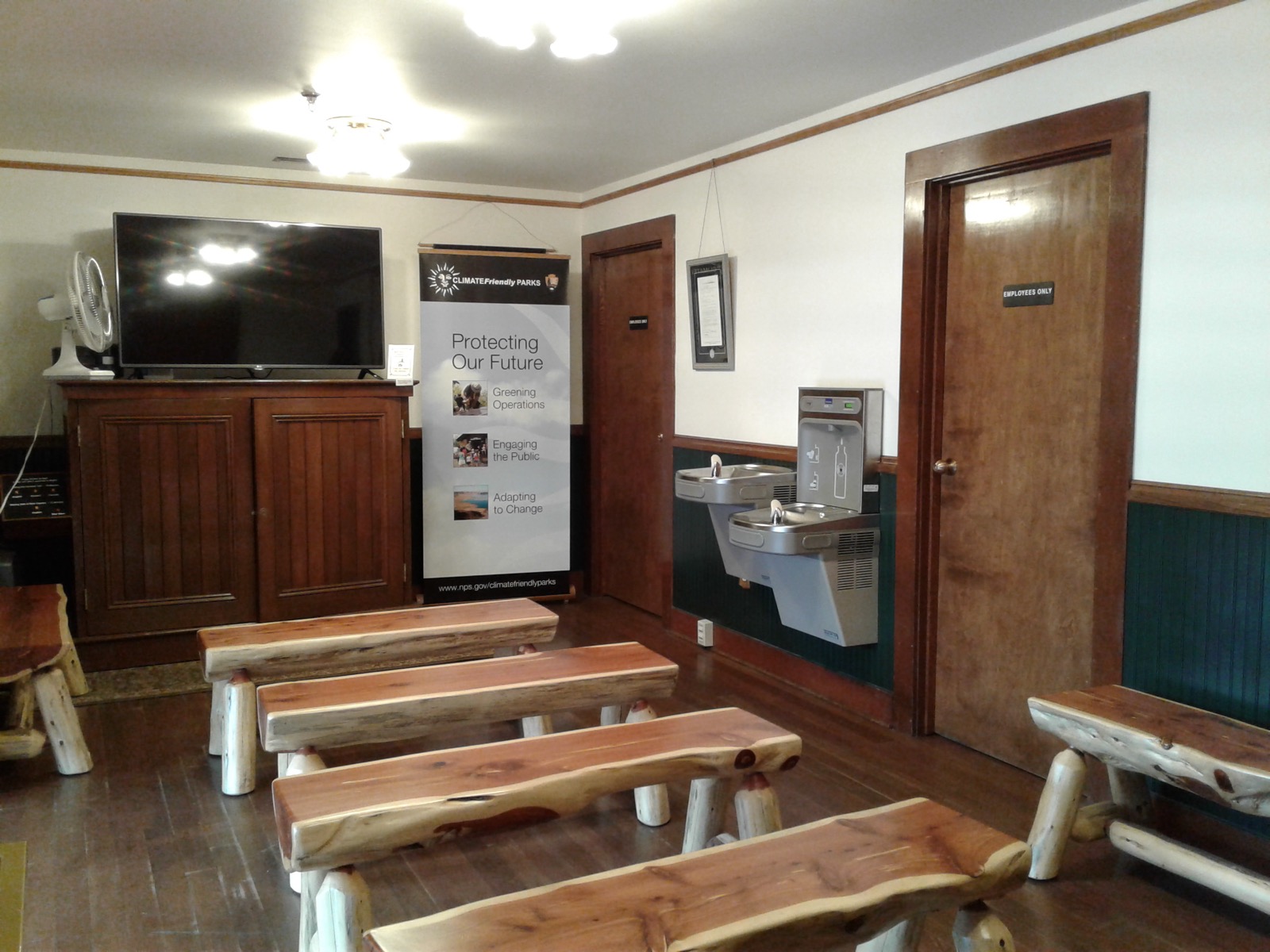
Photo credits: Hero image by Sarah Stierch, licensed CC BY 4.0 via Wikimedia Commons. Refill station image from the National Park Service, public domain, via Wikimedia Commons.