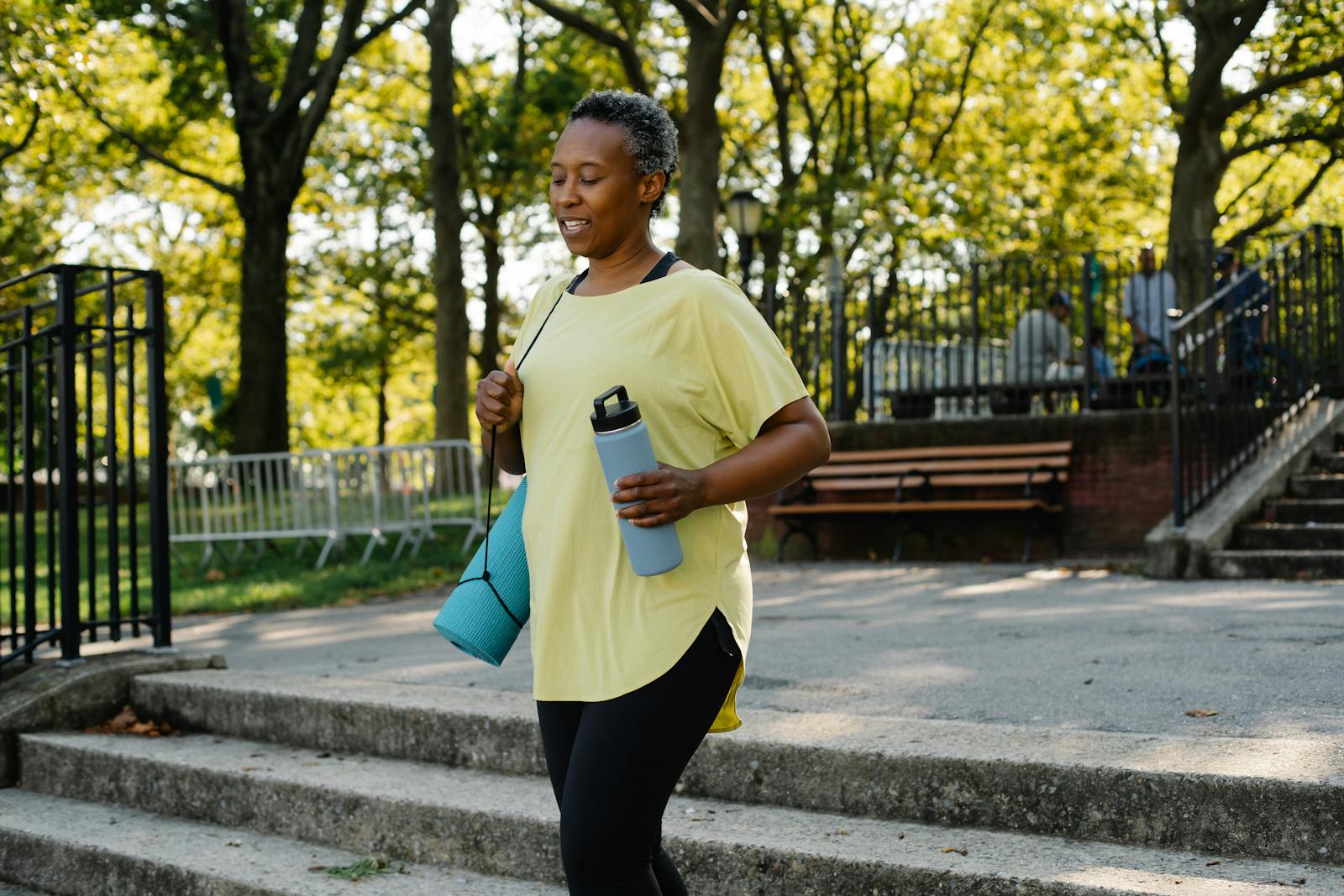
One of the best parts of spring is how easy it suddenly feels to go outside. The first stretch of pleasant days tends to bring longer walks, extra errands on foot, and those quick little moments where you tell yourself you will just be out for twenty minutes and end up staying out much longer. After a winter of cold air, short days, and indoor routines, that feels great.
What gets missed is that these first outdoor walks often arrive before your hydration habits catch up. Summer heat makes the need for water obvious. Spring does not. The air is cooler, the sun feels friendlier, and the whole experience seems easier on your body. That can make dehydration more subtle, not less real.
You do not need to come back from a spring walk feeling wrecked for hydration to matter. Mild fluid loss can show up as tired legs, a slight headache, lower energy, dry mouth, or that vague feeling that you are more drained than the walk should have made you. When the weather feels comfortable, people often miss those signals or blame pollen, poor sleep, or a busy day.
Why spring walks can quietly increase your fluid needs
The problem is not that spring is extreme. It is that it feels easy. When something feels easy, people prepare less. That is true for hydration too.
- You are moving more than you were a few weeks ago: the first warm stretch often means more steps, more standing, and more time outside without much planning.
- You start the walk already a little behind: many people wake up, have coffee, get moving, and head outside before they have had much water at all.
- Sun and breeze can be deceptive: sunshine feels good, wind feels cool, and together they make effort feel lower than it really is.
- Dry air and mouth breathing matter: if pollen, congestion, or brisk walking has you breathing through your mouth more, that can leave you feeling drier faster.
- You are less likely to carry a bottle: people expect to pack water for summer workouts, but not for a casual spring walk that turns into a longer outing.
Why the first nice days are the easiest days to underestimate
There is a specific kind of optimism that shows up with the first good spring weather. You open the windows, want to be outside, and naturally drift away from your winter routine. That is part of why these days are so easy to underestimate. They do not feel demanding. They feel refreshing.
But refreshing weather can still stretch your day in ways that change your hydration needs. You might walk to grab coffee instead of driving. You might spend an hour outside after work instead of sitting inside. You might add gardening, a dog walk, or weekend errands in the sun without really counting them as exercise. None of this looks dramatic on its own. Together, it changes the day.
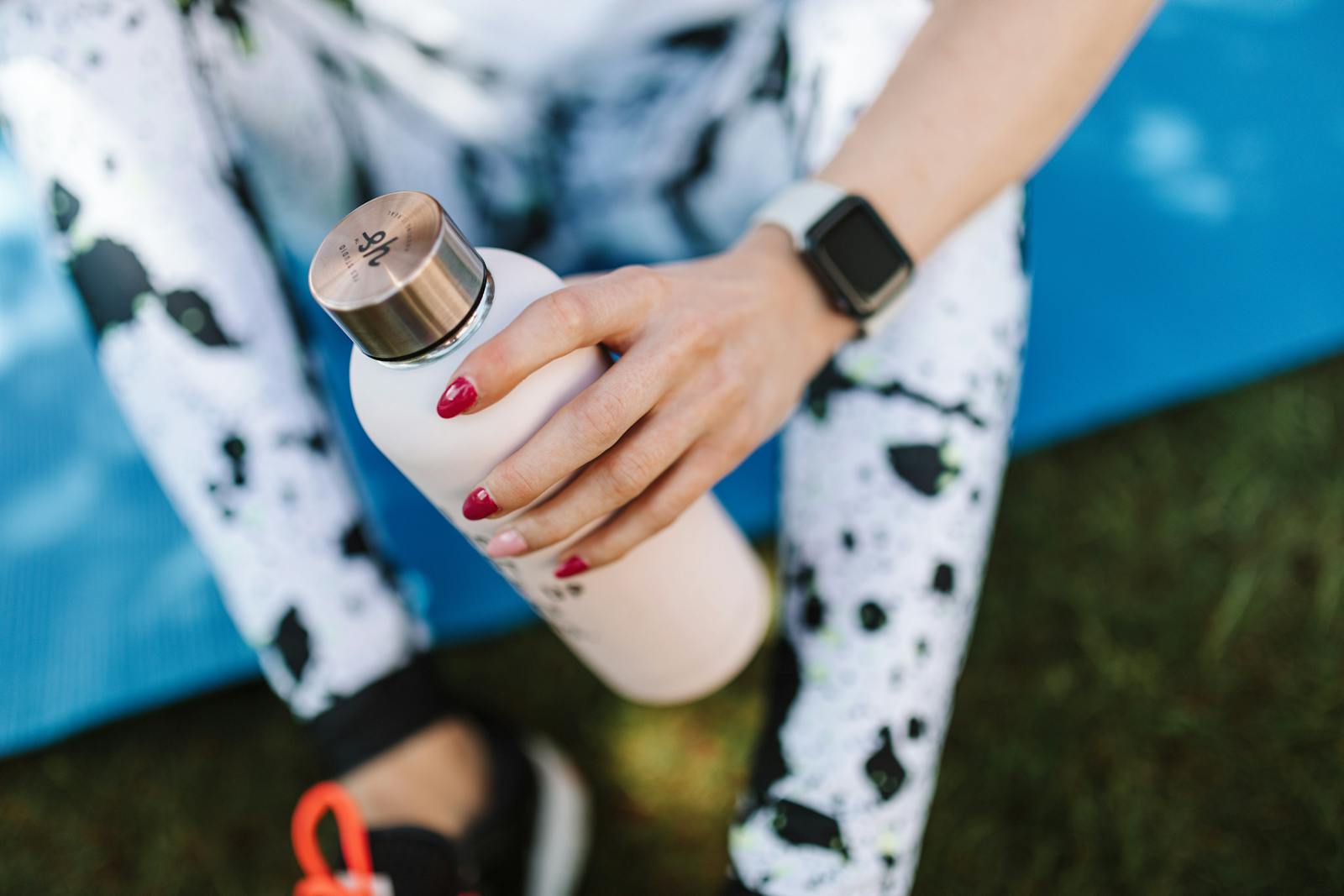
Signs you may be finishing spring walks a little underhydrated
Spring dehydration usually does not announce itself loudly. It tends to feel more like a subtle drag on the rest of the day.
- You come back thirstier than expected: especially if the walk did not feel hard at the time.
- Your energy dips later: what seemed like a light walk leaves you oddly flat an hour or two later.
- You get a small headache or dry mouth: not dramatic, just enough to notice.
- You realize you barely drank anything all morning: the walk did not create the whole gap, it just made the gap more obvious.
- You are trying to catch up with a lot of water at once: that usually means the day got ahead of you.
A simple hydration plan for spring walking days
You do not need to overcomplicate this. The goal is to make water part of the routine before the walk starts.
- Drink before you head out: a glass of water before leaving is often enough to stop a small deficit from growing.
- Bring water when the outing may expand: if you might turn one loop into three, pack the bottle.
- Pay attention to sun, layers, and pace: a cool day can still be a dehydrating day if you are overdressed or moving briskly.
- Do not rely on thirst alone: spring weather makes thirst a less obvious guide.
- Log what you drink: tracking helps you notice whether walking days consistently leave you behind.
That last point matters more than most people expect. We are all pretty bad at estimating how much water we had, especially on nice days where routines get loose. Logging your intake turns vague guesses into something you can actually respond to.
Why WaterMinder fits this kind of habit change
Spring is when routines start shifting again. Some days are indoors, some days are active, and the schedule gets less predictable. That is exactly when reminders help most. Not because hydration needs to become a huge project, but because it is easier to stay consistent when the app is doing part of the remembering for you.
If you know you tend to head out with coffee in hand and no water in sight, set up a reminder before your usual walk window. If you often forget to drink until you get back, log that pattern and adjust earlier. Little changes are enough. The goal is not perfection. It is avoiding the avoidable slump that comes from letting a good weather day turn into a low water day.
Make spring hydration easier to remember
Use WaterMinder to log drinks, get reminders, and stay ahead of the quiet hydration gaps that show up on active spring days.