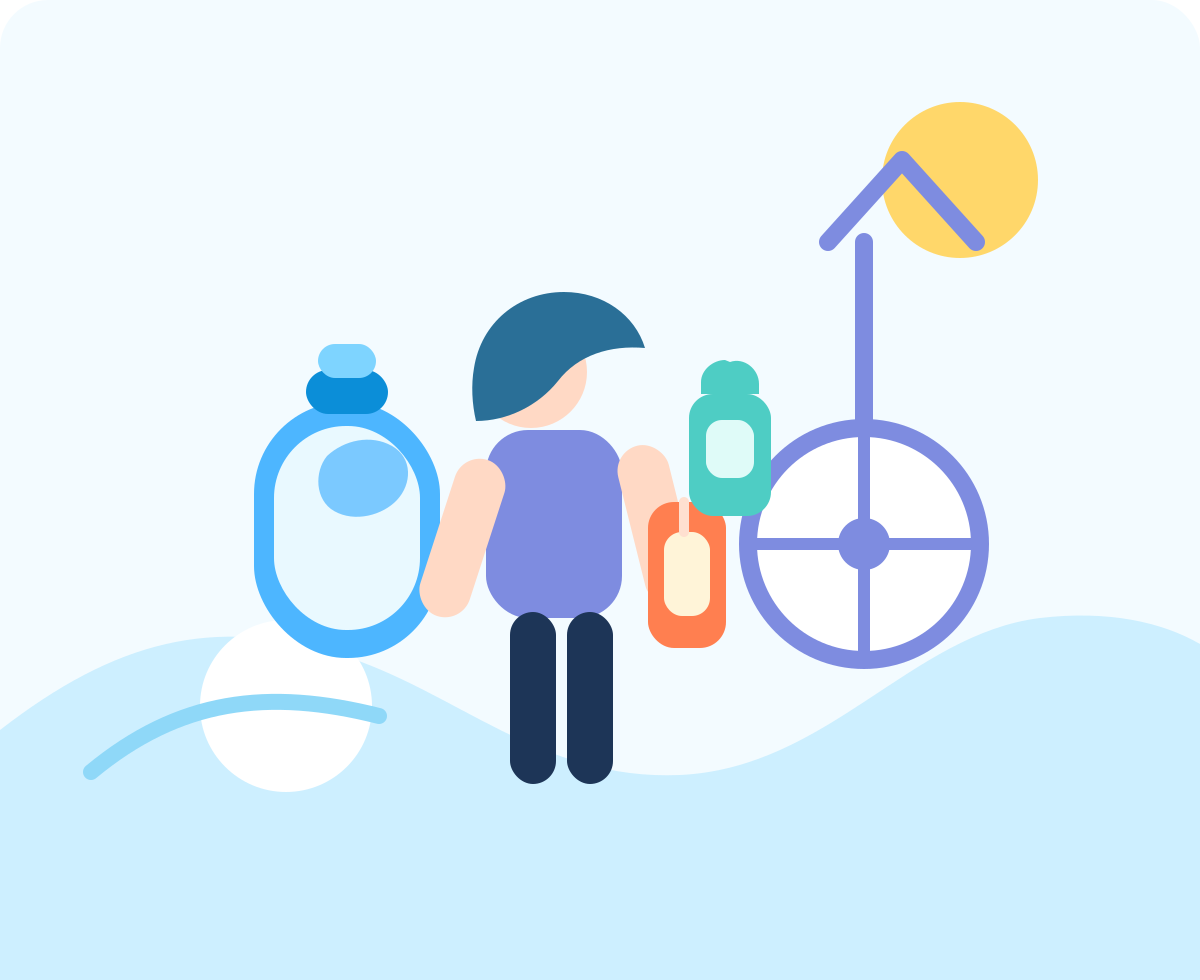
Theme park days are built around momentum. You arrive early, check ride times, plan your route, hustle to beat the longest lines, and tell yourself you will stop for a proper break later. Then later keeps moving. That is part of why hydration can go sideways so easily. A day that is supposed to feel light and exciting often becomes a long stretch of walking, waiting, sunshine, and distractions without much structure around basic needs.
Unlike a workout or a hike, a theme park day rarely announces itself as something physical. But look at what it actually includes. You may walk for hours, stand in exposed heat, carry bags, push a stroller, climb ramps and stairs, eat salty food, and reach for soda, coffee, or frozen treats because they are right there. None of that is automatically a problem. The issue is that plain water usually becomes the thing you mean to get around to once the next ride, parade, or reservation is handled.
That gap matters more than people think. Busy outing days can make small hydration misses stack up. Maybe you started with coffee at the hotel. Maybe breakfast was quick and light. Maybe you did not want to carry a bottle. Maybe you did have one, but it stayed in the bottom of the bag while you kept moving from one queue to the next. By midafternoon, the result can feel like a random energy slump, a heavy head, or the sense that the heat suddenly got much worse, when really you may have been slowly drifting behind for hours.
Why theme park days can quietly increase your fluid needs
Theme parks create a very specific kind of hydration blind spot because several small factors pile on at once.
- You are outside longer than planned: even if the weather does not look extreme in the morning, multiple hours of sun and movement can change the picture.
- You are almost always between things: walking to the next ride or hustling to a time window makes water feel like a delay instead of part of the plan.
- You may avoid drinking to avoid bathroom stops: this is common on travel days and park days, and it usually backfires by making you feel worse overall.
- Food choices can make thirst feel louder later: salty meals, sweets, and caffeinated drinks are common in parks and do not replace the need for plain water.
- Excitement masks body signals: when you are having fun, mild thirst and fatigue are easy to ignore until they become hard to ignore.
Why vacation-style days make hydration harder than normal routines
At home, hydration usually has anchors. Your usual mug, your kitchen, your desk, your lunch break, the bottle you refill from the same sink. Theme park days break those cues. The day starts earlier, the schedule changes, and convenience starts driving decisions. That means you cannot rely on your normal routine to carry you through.
There is also a strange mental effect that happens on all-day outings. Because the goal is enjoyment, it feels wrong to interrupt the flow. People do not want to stop a good streak of rides. They do not want to leave a shady spot once they find one, but they also do not want to slow down to refill water. So they keep moving with low-level discomfort instead of resetting early. Later, they wonder why the final hours of the day feel harder than expected.
Signs the day is getting ahead of your hydration
You do not need to wait for something dramatic to make an adjustment. Often the earlier signals are enough.
- You keep choosing rides or food before water: if water keeps losing every decision, you are probably already behind.
- The heat suddenly feels more intense than it did an hour ago: environment matters, but low intake can make the whole day feel heavier.
- Your energy drops even though the day is still fun: sometimes that late-day crash is not about motivation. It is about the basics slipping.
- You notice a headache on the way back to the hotel or car: park days often reveal the problem once the stimulation fades.
- You realize you barely touched plain water: if most of the day was coffee, soda, or treats, it is worth rebalancing sooner instead of later.
A simple hydration plan for theme park days
You do not need to turn a vacation day into a spreadsheet. A few simple rules usually help a lot.
- Start drinking before you arrive: do not make park entry the first time you think about water.
- Carry a bottle you will actually use: the best bottle is the one that is light enough and convenient enough that you keep it accessible.
- Pair water with fixed checkpoints: take a drink before getting in a long line, after each ride, or every time you stop for photos.
- Use meal and snack stops to catch up: if you are buying food anyway, make water part of the order instead of an afterthought.
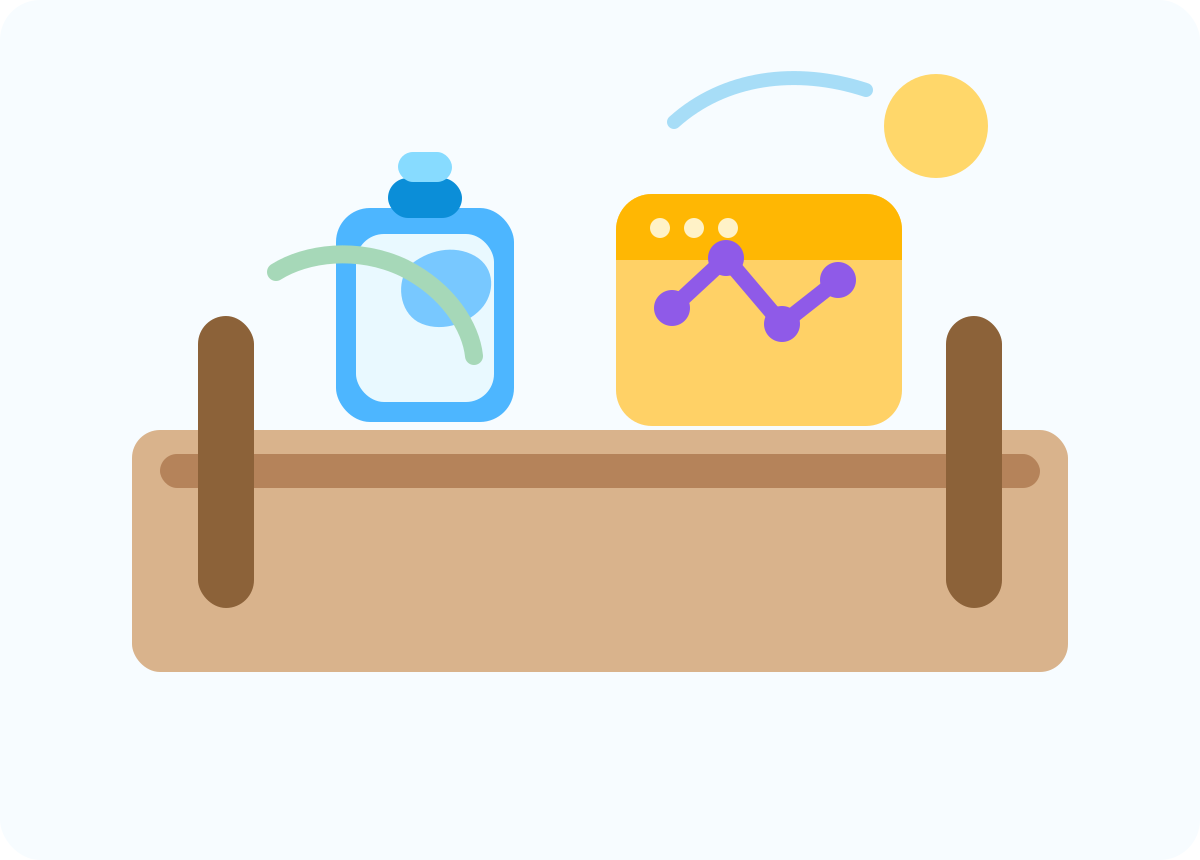
- Log as you go: memory gets fuzzy on long, overstimulating days. Tracking helps you stay honest without overthinking it.
That last part is especially useful because theme park days do not feel like normal days. They are loud, full, and easy to blur together. Logging a drink in the moment gives you a small reset. It turns hydration from something vague you hope happened into something visible you can actually manage.
Why WaterMinder helps on big outing days
WaterMinder works well on days like this because it does not ask you to build a complicated system from scratch. It simply keeps your hydration goal in view while the rest of the day competes for attention. That matters when your brain is thinking about wait times, family logistics, sunscreen, food, and where to go next.
If you are heading into a long theme park day, log some water before you enter, keep your bottle easy to grab, and use quick reminders to stop the day from running on autopilot. You do not need perfect hydration to enjoy the park. You just want to avoid the very common pattern where a fun day slowly turns into a drained evening for reasons that could have been handled earlier.
Keep fun days from becoming low-energy days
Use WaterMinder to stay aware of your water goal during travel, park days, and other out-of-routine plans where hydration is easy to forget.