
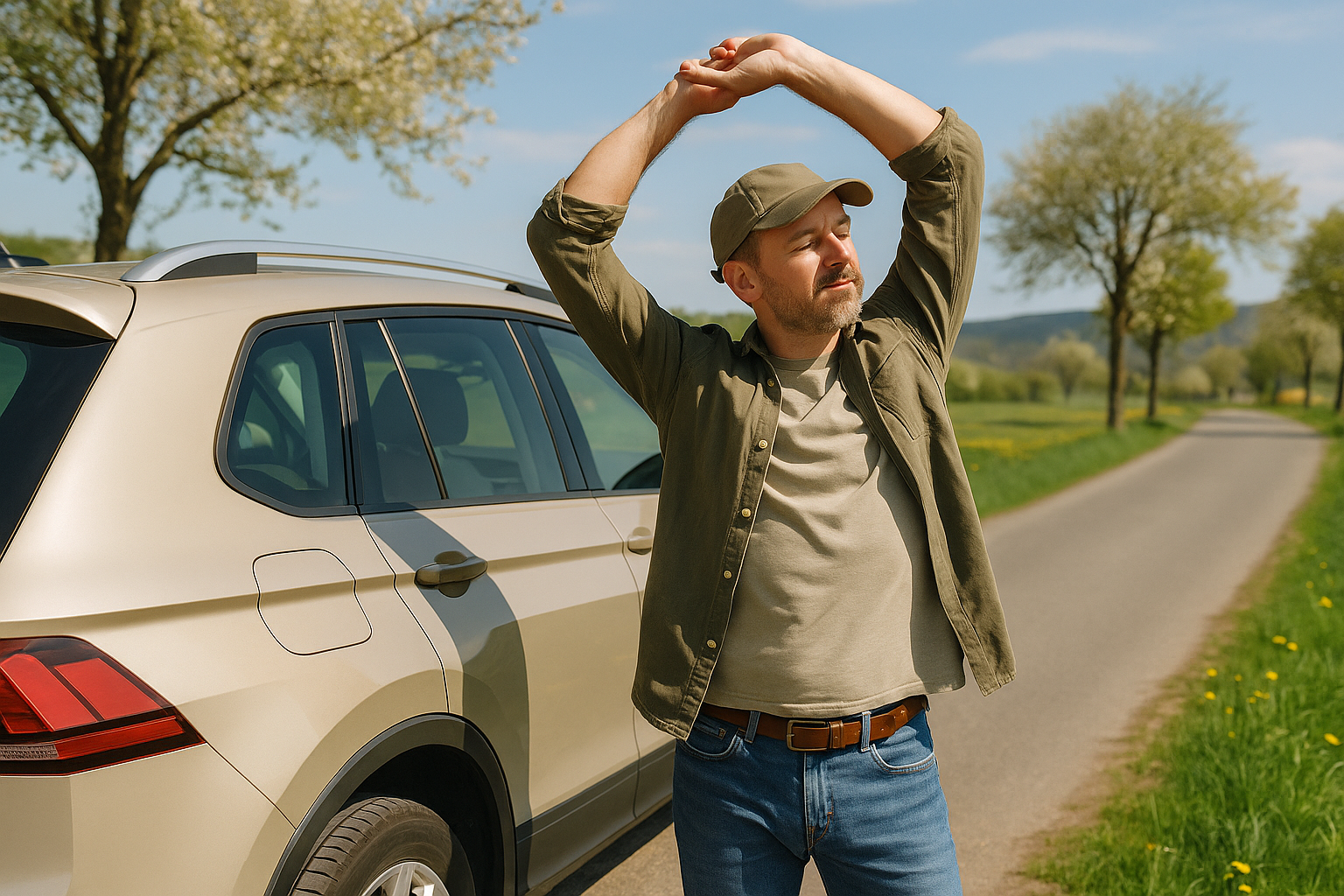
Spring road trips have a very specific kind of optimism. Maybe the weather finally feels good enough for a weekend getaway. Maybe you are visiting family, heading to a sports tournament, chasing a bloom trail, or just taking the scenic route because staying home suddenly feels like a waste of the season. The mood is lighter than a workday. There is coffee in hand, music queued up, snacks in the console, and a general sense that the day is supposed to be easy. That easy feeling is exactly why hydration often gets pushed into the background.
Most people do not think of a road trip as a hydration challenge. You are sitting down, not doing sprints. You are in climate control for part of the day. You are probably making stops where drinks are available. On paper, it sounds manageable. In real life, road trips are built around tiny delays. You will drink more water after the next gas stop. After traffic clears. After you finish the coffee. After you get through this stretch of highway. After you stop somewhere with a cleaner restroom. Those little delays stack into a surprisingly long gap.
Spring makes that even easier to miss because the temperatures may not feel intense. You might start in a chilly hoodie, warm up by noon, step into sunshine at a rest stop, then sit back in a dry car cabin with the vents running for another hour or two. It is not dramatic enough to set off alarm bells, but the day keeps changing just enough to make your normal habits less reliable. By the time you arrive, you can feel a little headachy, oddly sluggish, or hungrier and more irritable than the drive should explain.
Why road trip days quietly raise your fluid needs
Usually it is not one big mistake. It is a handful of ordinary travel habits working together.
- You are outside your normal environment: without your regular bottle, kitchen, or routine breaks, hydration has to be more intentional.
- You often drink coffee first: plenty of spring travel days start early, which means caffeine gets the first slot and water gets bumped later.
- Snack foods are easy, water is less exciting: chips, jerky, trail mix, candy, and drive-through meals are convenient, but they do not replace the need for water.
- You may avoid drinking to avoid extra stops: that sounds efficient in the moment, but it usually leaves you arriving more drained than necessary.
- The day includes more walking than you planned: parking lots, scenic overlooks, roadside attractions, hotel check-ins, and quick detours all add movement and time outdoors.
Why sitting in a car can still turn into a low-hydration day
Driving does not feel physically demanding, which is part of what makes it deceptive. Road trips are mentally active and logistically noisy. You are navigating, making timing decisions, watching the road, managing passengers, choosing stops, and trying to keep the trip moving. That kind of constant low-level attention makes it easier to ignore basic signals from your body. You notice thirst later. You push off a sip because your hands are busy. You decide you will deal with it at the next stop, then the next stop turns into fuel, bathrooms, food, and getting back on the road quickly.
There is also a weird psychological trap on travel days. Because you bought a drink at some point, you may assume hydration is handled. But an iced coffee, soda, or sweet tea does not always mean you are actually keeping up with water. If the day also includes salty snacks, warmer weather, or time outside during stops, that gap becomes easier to feel by late afternoon.
Signs the trip is getting ahead of your hydration
Most road-trip hydration slipups show up as small clues before they feel obvious.
- You have finished coffee and snacks, but barely touched water: that is usually the clearest sign that the travel rhythm is running the day.
- You feel strangely tired when you stop the car: that low-energy feeling is easy to blame on driving alone, even when hydration is part of it.
- You keep saying you will drink after the next stop: repeated delays are how a small gap quietly becomes a big one.
- You arrive at your destination craving a huge drink all at once: that often means you spent most of the day behind without noticing.
- Your mood feels flatter than it should: even mild dehydration can make a fun travel day feel more draining and irritable.
A simple hydration plan for a spring road trip
You do not need a complicated system. You just need a few easy anchors that survive the day.
- Start before you pull out of the driveway: drink water before the trip begins instead of assuming the first stop will cover it.
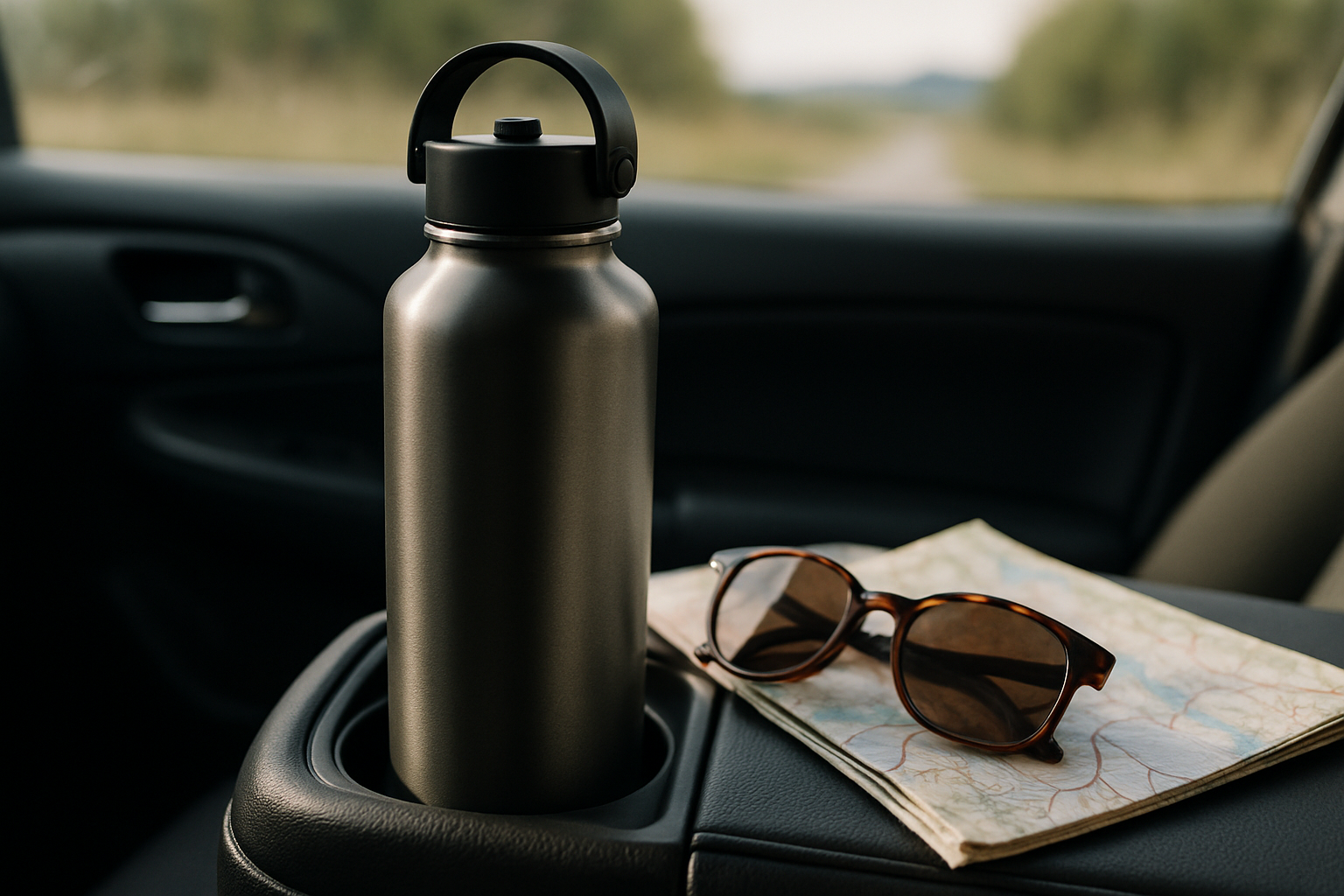
- Keep one bottle within reach: if it is buried in the back seat or trunk, you will drink less often.
- Use every stop as a hydration cue: gas, bathrooms, coffee refills, scenic overlooks, and snack runs are all good moments to take a few sips.
- Pair salty food with water: if you are eating chips, sandwiches, or travel snacks, use that as your reminder to reset.
- Log drinks while the day is happening: travel days blur together, and most people overestimate how much water they had once the trip is over.
That last point matters because road trips rarely feel precise. You remember the playlist, the highway views, the random coffee stop, and the detour that looked fun. You usually do not remember whether you had twelve ounces of water or forty. A quick log keeps the day honest without making the trip feel over-managed.
Why WaterMinder helps on travel days
WaterMinder is especially useful on road trips because it replaces missing routine with something visible and simple. When the day loses its normal structure, the app gives you an easy way to see whether you are actually on track and log what you drink before the whole drive blends together. That small bit of visibility is often enough to keep a fun spring trip from ending with the washed-out feeling that happens when water kept getting pushed later.
If you have a spring drive coming up, think about hydration the way you think about chargers, sunglasses, or directions. Set it up before the day gets moving, keep it easy to reach, and use your stops as cues instead of relying on memory. That is usually enough to keep the easy part of the trip feeling easy.
Stay ahead of water on travel days
Use WaterMinder to keep your hydration goal visible on road trips, airport days, spring outings, and other travel plans where water is easy to forget.