
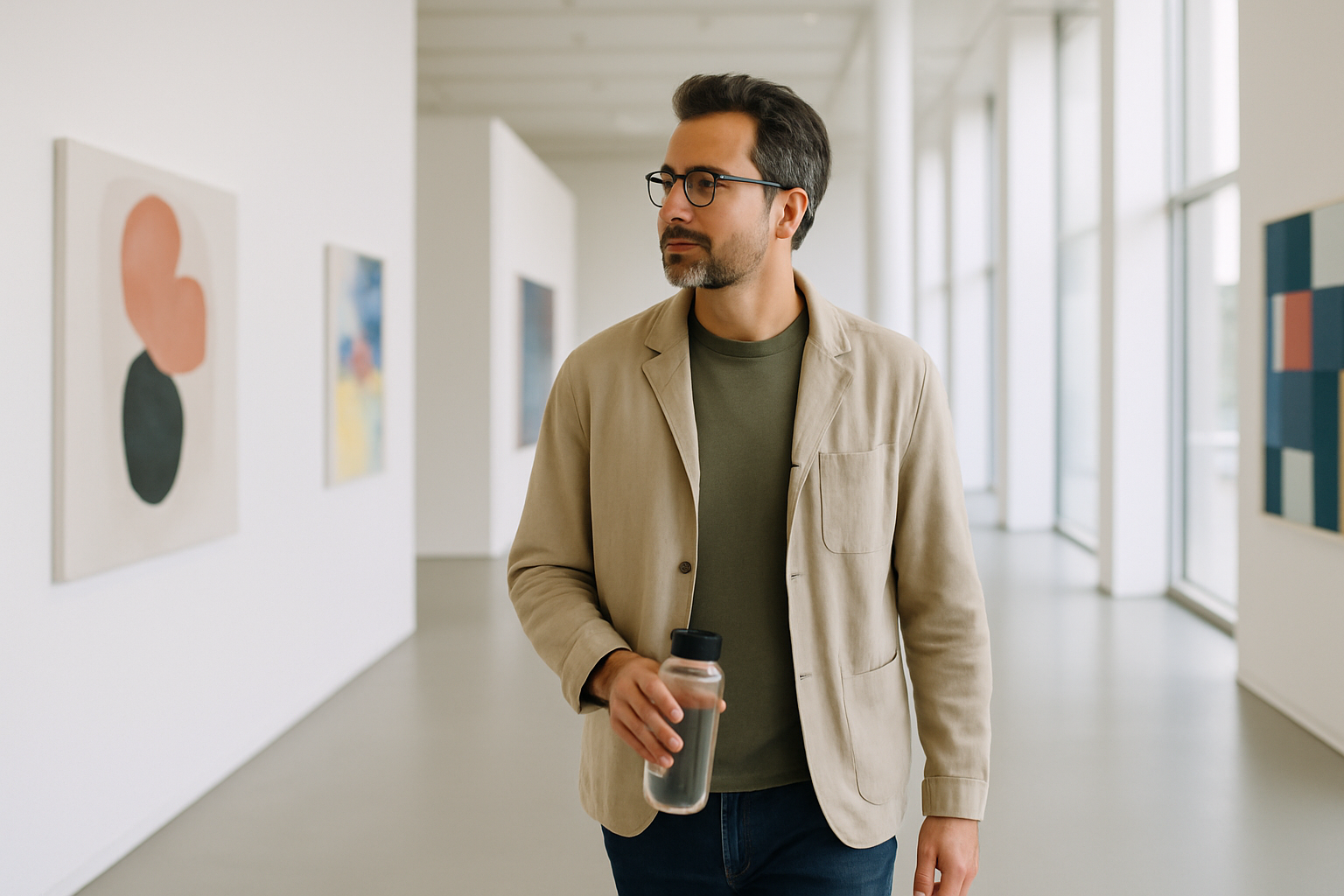
Museum days are sneaky hydration days. They do not look physically demanding in the way a hike, workout, or yard project does, so most people do not prepare for them the same way. But a long museum visit often means a late breakfast, a lot more walking than expected, a couple of hours of standing, a coffee stop, and a day that never quite follows your usual rhythm. It feels leisurely while it is happening. Later, though, it can leave you feeling flat, headachy, or oddly worn down.
Part of the problem is that museums are built to absorb your attention. That is the point. You are reading placards, moving from room to room, following a map, talking with whoever you came with, deciding what to see next, and trying not to miss the exhibit everyone told you about. In that kind of setting, body signals fade into the background. You might notice your feet before you notice thirst. You might think about lunch before you think about water. The day feels mentally full, which makes it easier to miss simple maintenance.
There is also a routine problem. A museum day rarely starts like a normal workday or normal weekend at home. You may be driving in, meeting friends, finding parking, buying timed tickets, or trying to fit the visit in around other plans. That break in routine matters because hydration habits often depend on familiar anchors. At home you pass your kitchen, your desk, or your usual bottle. Out on a day trip, those cues disappear. If you do not build one or two simple reminders into the visit, water easily becomes something you plan to deal with later.
Why museum visits can quietly put you behind on water
Usually it is a stack of small habits, not one big mistake.
- You start the day in transit mode: when the morning is about getting there on time, drinking water can feel less urgent than parking, tickets, or coffee.
- The setting feels calm: museums do not scream “hydration day,” so people often underestimate how long they have been walking and standing.
- You stop for caffeine before you stop for water: a museum café coffee is an easy ritual, but it often replaces a refill instead of going with one.
- You do not want to carry too much: people travel lighter on day trips, which means the bottle they would use at home sometimes gets left behind.
- You keep delaying the next sip: one more room, one more exhibit, one more wing, one more stop in the gift shop, and the day keeps moving.
Why indoor days can still feel surprisingly draining
People often associate hydration with heat, sweat, and sunshine. Those definitely matter, but they are not the whole story. You can get behind on water indoors too, especially when the day involves hours of movement without the normal refill points you rely on at home. Museum campuses can be big. Special exhibits can mean more standing than expected. Audio tours, photos, and crowds all stretch the visit out. Even without feeling overheated, you can still end up depleted enough to notice the difference in your mood, focus, and energy.
That is why museum-day dehydration often feels more like a slow fade than a sudden crash. Your attention gets a little fuzzier. You feel more tired than the outing seems like it should justify. A snack helps briefly, but not completely. By the time you leave, you may realize the day included plenty of walking and very little actual water. It is not dramatic, just avoidable.
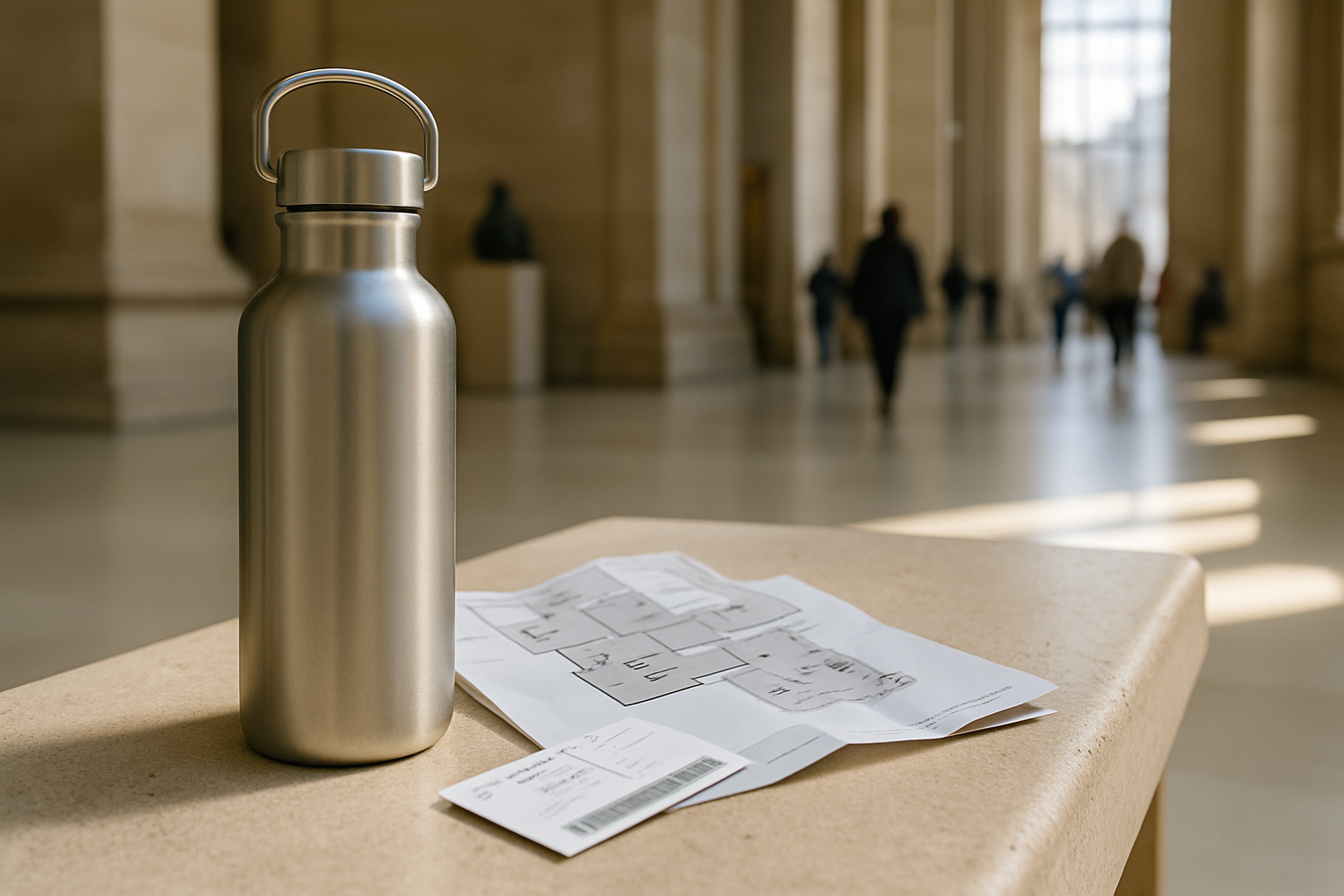
Signs your museum day is already getting ahead of your hydration
You usually do not need to wait for obvious thirst. A few softer clues show up first.
- You realize the day has mostly been coffee and wandering: that is a common sign that water never really got started.
- Your head feels dull halfway through the visit: museum fatigue is real, but hydration is often part of that heavy feeling.
- You feel more wiped than the pace seems to explain: if a calm outing feels oddly draining, check the basics first.
- You cannot remember your last refill: once that answer becomes fuzzy, the day has likely outpaced your routine.
- Lunch or snacks do not fully reset your energy: food helps, but it may not fix the fact that you have barely had water.
A simple hydration plan for museum days
You do not need a perfect system. A few gentle anchors are enough.
- Start before you leave: have some water at home so the museum is not the first point in your day where hydration crosses your mind.
- Bring a bottle when the venue allows it: if policies are stricter, plan a refill or water purchase as part of arrival instead of improvising later.
- Pair coffee with water: if the café is part of the day, make water part of the same stop.
- Use transitions as cues: changing floors, entering a new wing, stopping for lunch, or heading to the gift shop are all easy moments to check in.
- Log while the day is happening: long outings blur together fast, and a quick log helps you notice when several hours have slipped by.
This is where WaterMinder helps most. It turns hydration into something visible on a day that otherwise has no clear structure. Museum visits are exactly the kind of pleasant, low-drama routines where water gets forgotten, not because you do not care, but because nothing feels urgent enough to interrupt the flow. A small reminder is often all it takes to keep the day feeling steadier.
Why WaterMinder fits calm but distracting days
WaterMinder is useful on museum days for the same reason it helps on travel days and busy weekends, it gives you one stable reference point when the schedule keeps shifting. You can log quickly, see how far along you are, and avoid the common habit of assuming you will catch up later. Later usually turns into the drive home, dinner, or the moment you finally sit down and realize the day felt longer than it should have.
If you have a museum visit coming up, think of hydration as part of the outing, not an afterthought. It is one of those small choices that can make a long, enjoyable day feel clearer and more comfortable from the first gallery to the walk back out the door.
Keep long day trips feeling lighter
Use WaterMinder to stay on top of your water goal during museum visits, travel days, long walks, and every other routine where hydration quietly slips into the background.