
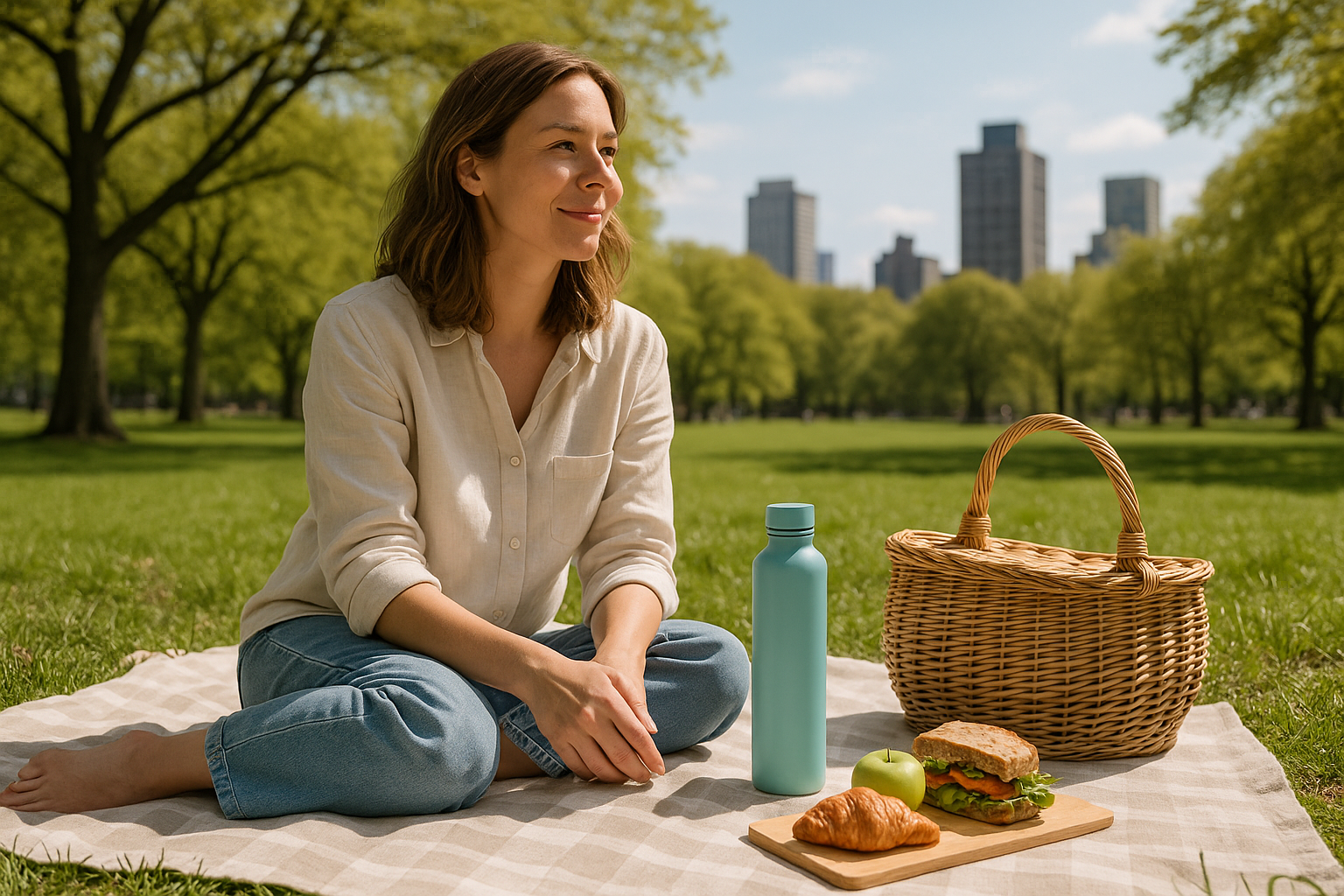
Picnics rarely feel like the kind of plan that should throw you off. You are not grinding through a workout. You are not stuck in airport lines. You are not doing yard work for hours. You are just outside, enjoying decent weather, maybe with a sandwich, fruit, chips, a sparkling drink, and people you like. It feels light. Easy. Restful. That is also why it is surprisingly common to drink less water than you think on these kinds of days.
Part of the issue is that a picnic stretches time in a sneaky way. You might head out around late morning, settle in for lunch, stay a little longer because the weather is nice, and realize midafternoon has arrived. During all of that, the rhythm of your normal day disappears. There is no desk bottle in your usual spot. No kitchen refill pattern. No familiar reminder to top off your glass. Once you are outside and comfortable, you tend to work with whatever you brought. If plain water was not part of that setup, or if it ran out early, hydration can quietly stall.
Spring makes this even easier to miss because the weather often feels friendly rather than demanding. Mild sun, a breeze, and comfortable temperatures do not trigger the same urgency as summer heat. But easy weather can still mean a longer stretch outside, more talking, more snacking, and more background thirst than you notice in the moment. By the time you feel a bit tired, headachy, or just off, the whole day has already drifted past your usual hydration baseline.
Why spring picnic days make hydration easier to forget
It usually comes down to a few simple things working together.
- You stay settled longer than expected: once you have a spot, shoes off, bag open, and food out, you are less likely to get up and think about refilling anything.
- The drink lineup is not always water first: sparkling drinks, juice, canned beverages, coffee, or something chilled for the occasion can crowd out plain water.
- Picnic food often nudges thirst upward: salty snacks, sandwiches, charcuterie-style spreads, and packaged treats can make water more important than it feels at first.
- Conversation becomes the whole activity: when the day is about catching up, reading, relaxing, or watching kids play, hydration slides into the background.
- Spring sun feels gentle until it is not: you may not feel overheated, but several comfortable hours outdoors can still leave you running behind.
Why picnic days are more dehydrating than they seem
A picnic does not need to be physically demanding to affect how you feel. Hydration is not only about replacing dramatic sweat loss. It is also about staying consistent enough that your energy, focus, and comfort do not dip just because your normal habits vanished for a day. That is what happens with a lot of pleasant spring plans. Nothing intense occurs, but the routine you rely on disappears, and the whole day becomes one long gap between proper drinks of water.
The social part matters too. When you are talking, laughing, chasing kids, reading in the sun, or taking photos, you are much less likely to notice small body cues. Mild thirst is easy to ignore when you are having a good time. So is the slight dryness that comes after eating something salty. So is the thought that you should probably drink a bit more before packing up. None of it feels urgent. But those tiny misses stack up, and by evening the day feels more draining than it should have.
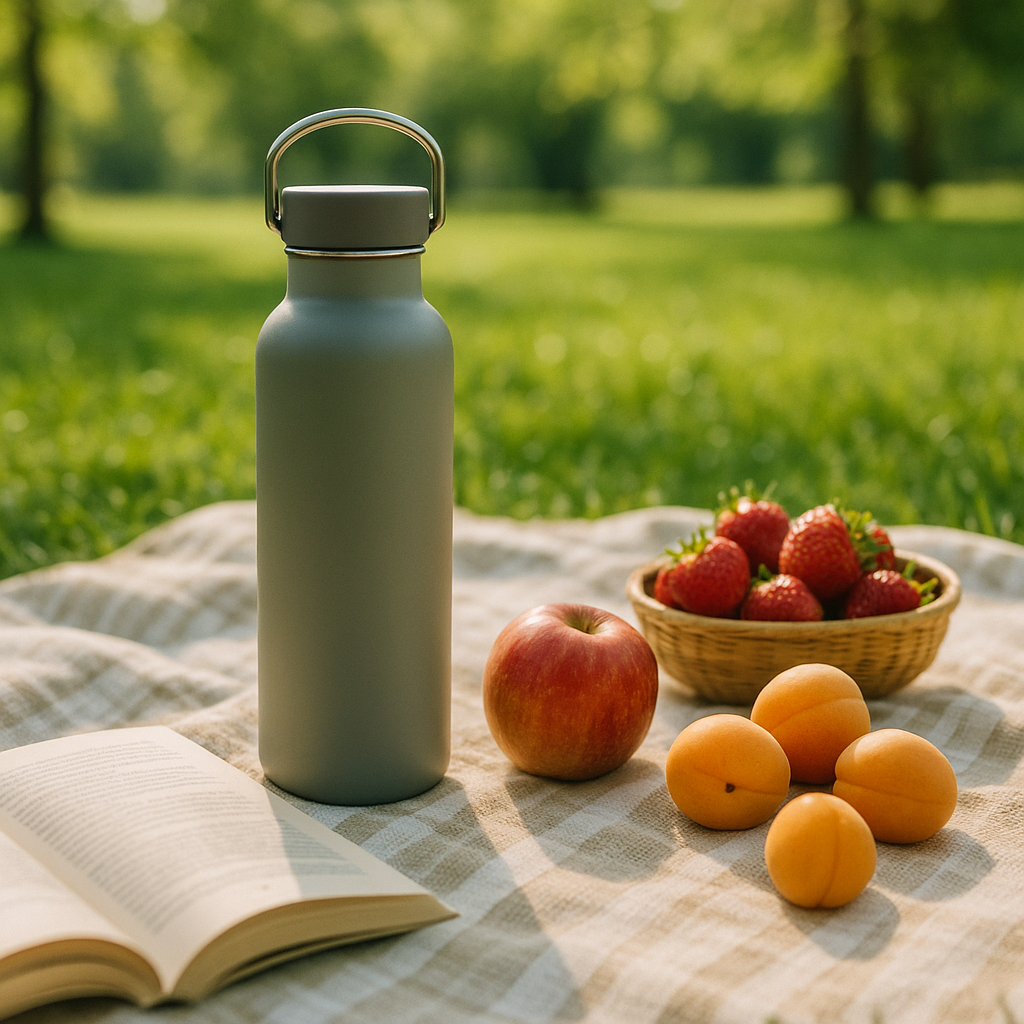
Small signs your picnic routine is pushing water behind
You usually do not need a big warning sign. A few familiar patterns are enough.
- You packed snacks carefully but water casually: if drinks were an afterthought, hydration often becomes one too.
- You finish other beverages before touching water: that is a common sign the day is working against your normal rhythm.
- You feel more tired driving home than the day seems to justify: a long, sunny afternoon can take more out of you than expected.
- You realize your bottle stayed closed most of the time: visibility alone is not enough if you never pair it with moments to sip.
- You end the day wanting to catch up all at once: that usually means water got postponed too many times while the day was unfolding.
A simple hydration plan for spring picnic days
The best strategy is low effort. Picnic days should still feel easy.
- Bring a dedicated water bottle just for you: do not rely on a shared cooler or a vague plan to grab something later.
- Drink while you set up: a few sips right when the blanket goes down makes water part of the routine immediately.
- Pair water with food: before chips, after sandwiches, and with salty snacks is an easy rhythm to remember.
- Use transition moments: sip when you stand up, when you move spots, when you check your phone, or before you start packing up.
- Log in real time: spring afternoons blur together fast, so it helps to record water while the day is still happening.
This works because it respects what picnic days actually are. You are not trying to run a perfect routine in the park. You just want a simple way to stay comfortable and finish the day feeling good. Visible water, a few built-in moments to drink it, and a reminder that mild weather still counts, that is enough for most people.
Why WaterMinder helps on laid-back outdoor days
WaterMinder is useful on picnic days because it makes hydration easier to notice before you are already behind. That is especially helpful on days that feel casual and unstructured. You can see your progress, log quickly without interrupting the fun, and use reminders when the day drifts longer than planned. Instead of guessing whether you drank enough, you have something simple and visible keeping the habit in front of you.
Spring picnics are supposed to feel easy. Hydration should be easy too. If nice weather, snacks, and slow afternoons have been making water less consistent than usual, keeping one bottle close and letting WaterMinder handle the tracking is a pretty good fix.
Stay ahead of hydration on easy outdoor days
Use WaterMinder to keep your goal visible, log water quickly, and make picnic-day hydration feel as simple as the rest of the afternoon.