
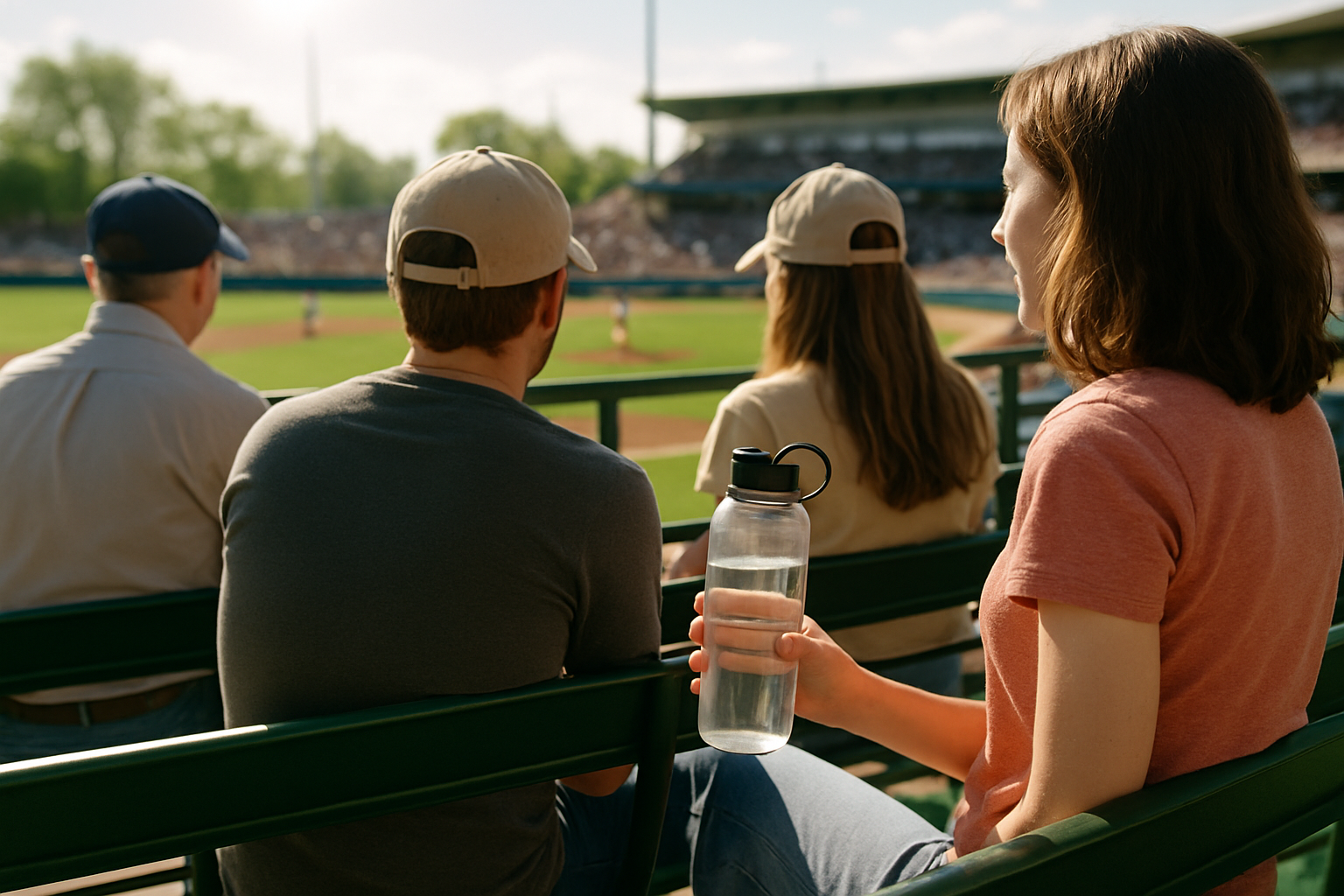
There is a reason Opening Day feels bigger than a normal game. It is part sports event, part spring ritual, part social plan. People arrive early, soak in the atmosphere, grab food, take photos, wander the concourse, and settle into a few hours outside. Even if you are mostly sitting, it often turns into a longer and more active day than it looked like on the calendar.
That is what makes hydration easy to underestimate. Most people do not think of a baseball game the way they think about a workout, a hike, or a day doing yard work. The day feels leisurely. But leisurely does not mean low impact. Sunshine, dry air, stadium walking, salty snacks, beer, soda, and long stretches without plain water can all pile up slowly.
By the time the game is over, the pattern is familiar. You feel more wiped out than expected. Maybe your lips feel dry, maybe your head starts to ache on the ride home, or maybe you realize you had one cup of water all afternoon while everything else on the menu got more attention. Nothing extreme happened. It was just a long event where hydration never became part of the plan.
Why a day at the ballpark can quietly increase your fluid needs
The biggest issue is not one single factor. It is the combination of event energy, spring weather, and distraction. Stadium days are full of little things that keep pushing water down the priority list.
- You are outside longer than you think: getting there early, waiting for first pitch, and staying through late innings adds up.
- You move more than you realize: walking ramps, finding seats, visiting concessions, and making restroom trips all count.
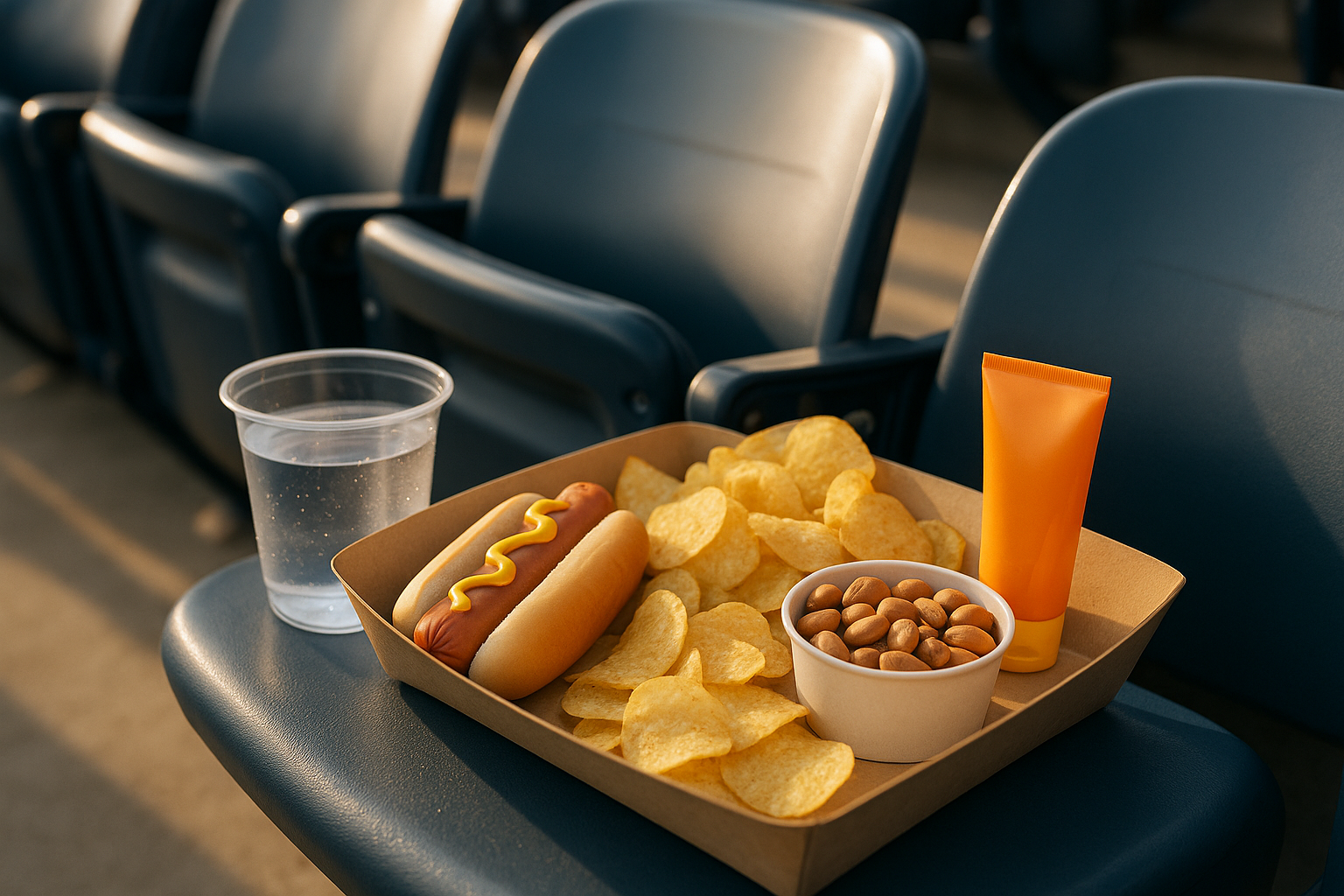
- Classic stadium food tends to be salty: that can leave you thirstier later if water does not keep pace.
- Other drinks dominate the routine: soda, beer, cocktails, and coffee usually feel more tied to the event than plain water.
- The crowd energy keeps your attention elsewhere: you stay focused on the game, not on whether you have had enough fluids.
Why Opening Day is different from a normal afternoon out
Opening Day has momentum. People are excited, schedules loosen up, and the whole point is to enjoy being there. That makes normal habits easier to drop. You might drink water before a workout without thinking about it, but you are less likely to do the same before heading to a stadium because the day feels entertainment-first.
Then the environment takes over. Once you are in your seat, you do not want to keep missing action by leaving. If the concession line is long, you are more likely to buy everything in one trip and then just work with what you have. If that one trip did not include enough water, the game can coast along while your intake stays low.
Signs the ballpark may be knocking you off your hydration rhythm
Stadium dehydration usually feels subtle before it feels obvious. The clues often show up as small annoyances that become more noticeable later.
- You feel sluggish in the late innings: especially if you have mostly had snacks and very little plain water.
- You get home and immediately want to chug water: that is often a sign the whole day drifted past your usual routine.
- Your mouth feels dry after salty food: a common clue that your drink choices did not match what you ate.
- You notice a mild headache during the drive home: not always, but often enough to become a pattern.
- You feel more drained than the event should explain: even though most of the day was just sitting and watching.
A simple hydration plan for Opening Day
You do not need to turn a baseball game into a project. The goal is just to keep hydration visible before the event atmosphere takes over.
- Drink water before you leave: starting behind makes everything harder to fix once you are inside the stadium.
- Make water part of the first concession order: do not treat it as the thing you will grab later.
- Notice the salt and sunshine combo: mild spring weather still counts when you are outdoors for hours.
- Check in around the middle innings: if you have had snacks, alcohol, or lots of walking, it is worth resetting with water.
- Log what you drink: that gives you a real picture instead of relying on memory after a long, distracting day.
That last step matters because event memory is selective. You remember the lineup, the crowd, the big play, and the food. You rarely remember the exact amount of water you had. Tracking fills in the part your memory tends to blur.
Why WaterMinder helps on event days like this
Opening Day is supposed to be fun. The point is not to overthink it. WaterMinder helps by keeping a small amount of structure around days that naturally break routine. If you know spring sports events tend to run long, you can set reminders earlier, log a drink before first pitch, and check back in around the middle of the game instead of waiting until you feel off.
That is usually enough. You do not need a perfect hydration day. You just need to avoid letting a celebratory afternoon quietly become a low-water day. Small reminders and a little visibility go a long way when the event itself is doing such a good job of stealing your attention.
Enjoy the game without losing track of water
Use WaterMinder to log drinks, stay on top of reminders, and keep long spring event days from quietly pulling you off target.