Earth Day cleanups are the kind of plan people tend to put in the healthy category right away. You are outside, helping your neighborhood or local park, doing something useful, and probably feeling pretty good about being there. It does not look like the sort of event that needs much hydration planning. It feels more like community service than physical effort. That framing is exactly what makes it easy to finish the morning or afternoon more depleted than expected.
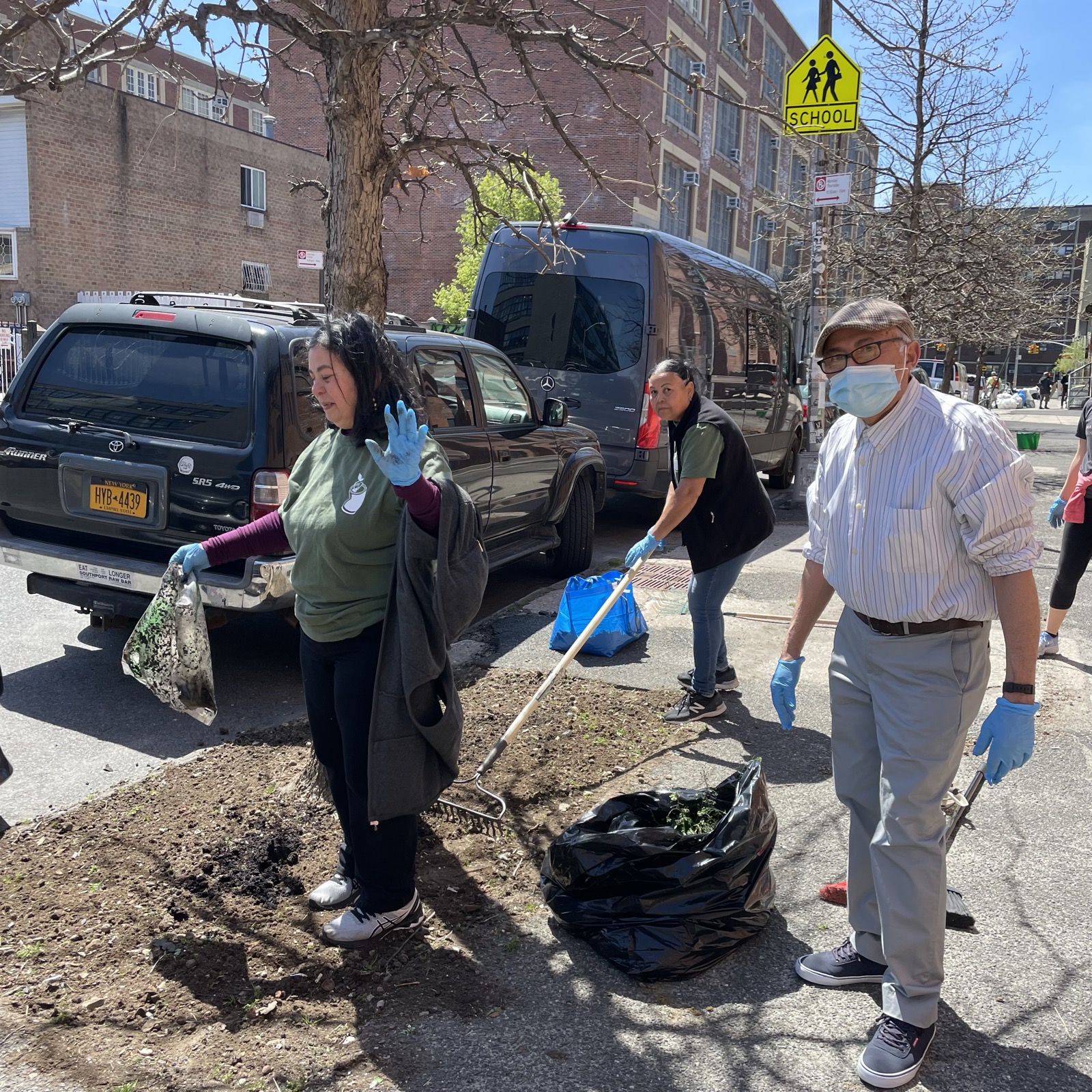
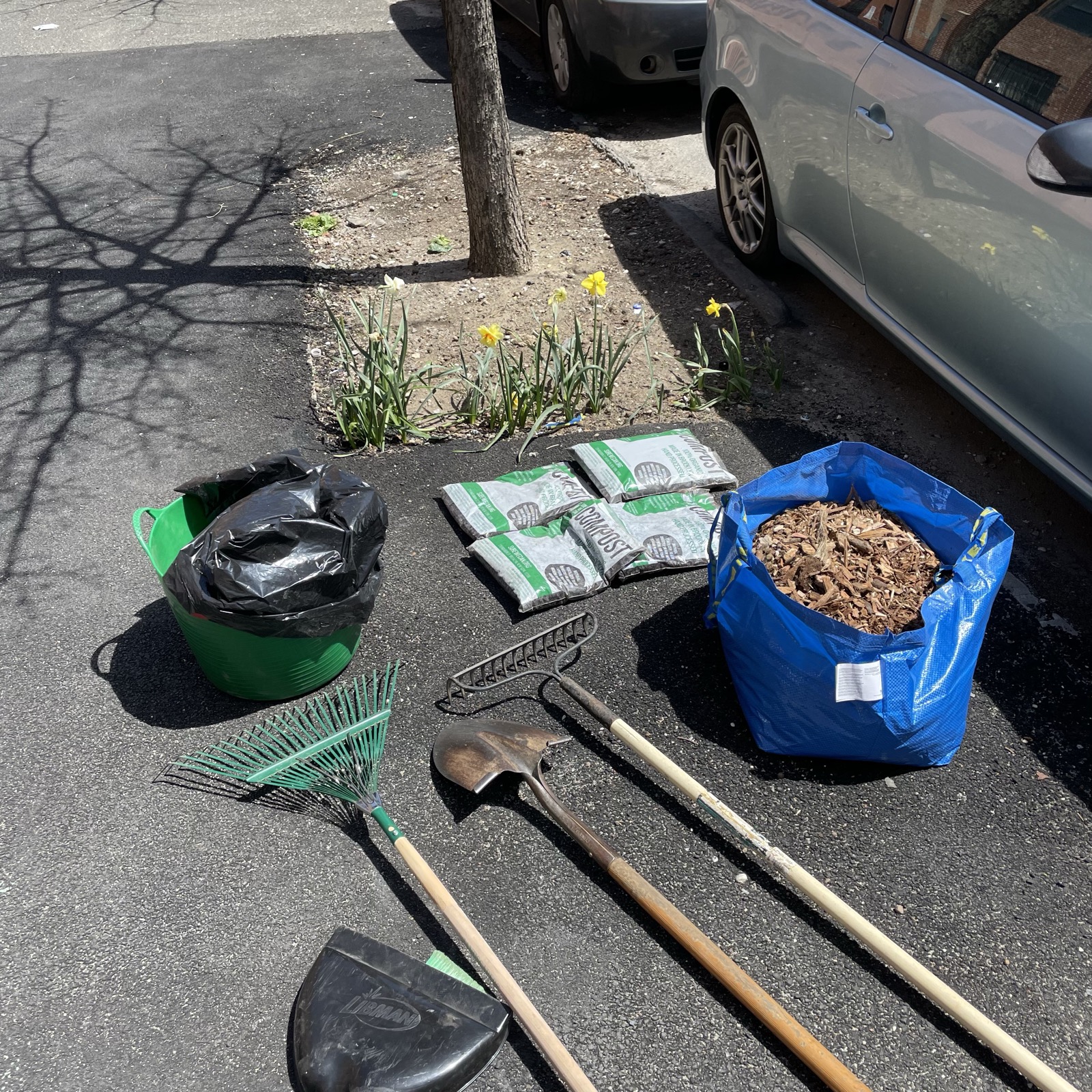
A cleanup event often starts simply. You check in, grab gloves, maybe get a trash bag or picker, and head out with a group. Then the next hour or two fills up with light but steady movement. You walk farther than you expected. You bend down repeatedly. You carry bags, sort recyclables, pause in the sun, and keep going because it feels good to make visible progress. None of that seems dramatic on its own. Together, it can create the kind of low-key physical load that slowly moves hydration off track.
What makes this sneaky is that volunteer events rarely have strong personal rhythm. You are following the group, focusing on the space around you, talking, helping, and moving from one small task to the next. That means the usual cues that help you remember water, your desk bottle, your normal workout routine, your kitchen sink, are nowhere nearby. If you did not arrive already thinking about hydration, there is a decent chance it becomes something you plan to deal with later.
Why Earth Day cleanups can quietly raise your fluid needs
Usually it is not one big hydration mistake. It is a stack of smaller ones.
- You may be outside in direct sun for longer than expected: even mild spring weather can feel more draining once you stay out there moving and bending for a while.
- The movement is repetitive instead of intense: that makes it easy to underestimate because the effort never announces itself the way a workout does.
- You may not want to stop while the group keeps going: when everyone is in motion, it is easy to postpone water just to keep pace.
- Cleanup tools make your hands busy: if your bottle is zipped away in a bag or left in the car, drinking becomes less convenient than it should be.
- The event often feels noble, not physically demanding: the emotional tone of the day can hide what your body is actually doing.
Why community events make water easier to forget
There is also a social reason hydration slips here. When you are volunteering, attention naturally shifts away from yourself. You are focused on the task, the people around you, and the shared goal. That can be great for motivation, but it also makes self-maintenance easier to postpone. A quick sip of water starts to feel less urgent than cleaning one more stretch of sidewalk or carrying one more bag back to the drop-off point.
Earth Day events can also create a false sense of comfort. Spring air may feel pleasant, there may be a light breeze, and the work may happen in bursts instead of nonstop effort. Because you are not drenched in sweat, it is easy to assume you are fine. But hydration does not only matter on obviously brutal days. It also matters on the kind of mild, active day where you slowly chip away at your energy without realizing why.
Signs the event is getting ahead of your hydration
You do not need to wait for big symptoms. A few smaller cues usually tell the story early enough.
- You have been outside a while and still have not had plain water: that alone is a useful warning sign.
- You notice your energy dipping even though the work is not especially hard: low fluids are one possible reason the day suddenly feels heavier.
- You are getting more irritable or impatient: sometimes that short fuse is just basic needs quietly slipping.
- You keep saying you will drink at the next break: if the next break keeps moving, you are already behind.
- You only think about water once the event is ending: that usually means the whole event passed without enough check-ins.
A simple hydration plan for Earth Day cleanups
You do not need to overengineer this. The easiest fixes are usually the ones that actually stick.
- Drink some water before you arrive: do not start the event already playing catch-up.
- Bring a bottle you can reach without effort: if it takes too many steps to get to it, you will keep delaying it.
- Use cleanup checkpoints as drink cues: take a few sips when you drop off a full bag, regroup with the team, or switch sections.
- Pair sunscreen or snack breaks with water: this turns a vague intention into a repeatable habit.
- Log drinks while the event is happening: volunteer days blur together, and memory is not reliable once you get busy.
That last step helps more than people expect. Community events feel lighter than they really are, so they create a lot of accidental undercounting. A quick log turns hydration into something visible instead of something you assume probably happened. It also helps you recover faster afterward because you do not finish the event with a vague drained feeling and no clue why.
Why WaterMinder helps on days like this
WaterMinder works well for volunteer events because it gives you a simple visual way to stay aware while your attention is somewhere else. You can log a drink quickly, check whether you are still on track, and keep hydration from disappearing into the background of a busy day. That is especially useful on feel-good outdoor events where the physical load is real but easy to underestimate.
If you are heading to an Earth Day cleanup, treat it like a day that deserves a little hydration intention, even if it does not look intense on paper. Drink before you start, keep your bottle close, and use a few natural checkpoints so the event leaves you feeling accomplished instead of surprisingly drained.
Stay ahead of water during outdoor volunteer days
Use WaterMinder to keep your goal visible during park cleanups, community events, spring errands, and other active days that do not feel demanding until later.