
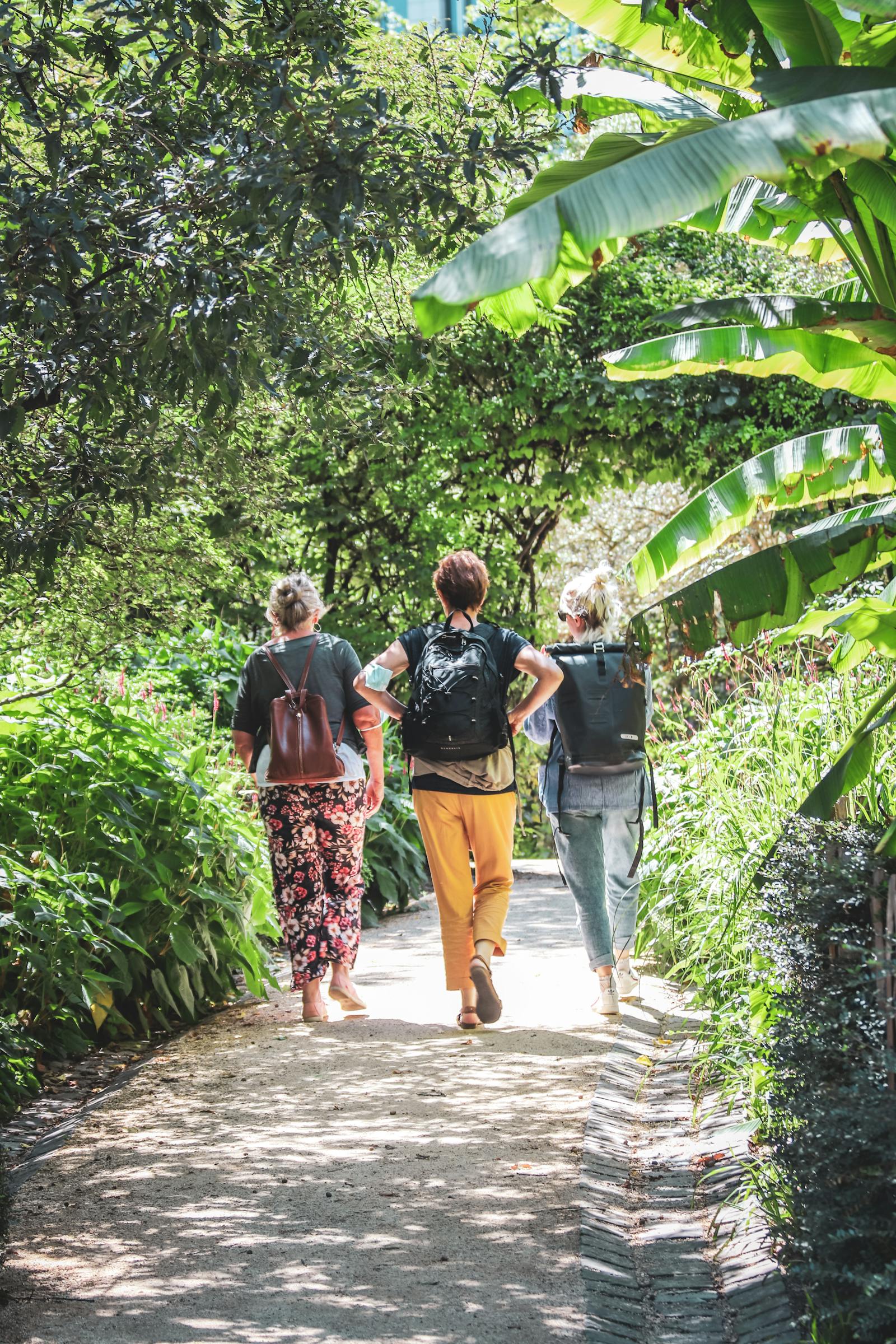
Part of the issue is that botanical garden visits are built around distraction in the best possible way. You stop for photos. You double back to a section you liked. You browse a gift shop. You read signs, sit for a few minutes, and then keep going because there is one more trail or greenhouse room you want to see. The day feels restful, but it often becomes a long stretch of light movement without the kind of obvious break that reminds you to drink water.
There is also a common routine problem. Many people treat a garden visit like a casual morning or afternoon treat. That can mean leaving home after only coffee, relying on whatever is sold on site, or assuming you will drink more at lunch later. If the first real water of the day gets pushed down the timeline, the whole outing can start from behind. Add warm pathways, a few hills, or a humid conservatory, and the gap becomes easier to feel by midday.
Botanical gardens can be especially sneaky in spring and early summer because the weather feels pleasant rather than harsh. A mild, beautiful day does not trigger the same hydration awareness as a beach day, a run, or a long hike. But the body still notices when you have been outdoors longer than usual. It also notices when you move between sun and shade, carry a bag or jacket, pause for a sweet drink instead of water, and keep walking because the setting is so enjoyable.
Why botanical garden outings can quietly raise your fluid needs
Most people do not leave a garden dehydrated because anything dramatic happened. They fall behind because several small things stack together.
- You walk more than you expected: a place that looks compact on a map can turn into a long day of loops, detours, and extra steps.
- You move between different climates: sunny paths, shaded trails, and humid greenhouse sections can change how warm you feel without much warning.
- You treat it like a casual outing: because it is not a workout, you may not build in any hydration plan at all.
- You may start with coffee or a cafe stop: drinks that feel like part of the outing can replace the plain water that would actually help you stay ahead.
- You stay busy looking around: flowers, exhibits, maps, and photo moments keep attention outward, which makes thirst easier to ignore.
Why greenhouse stops and long loops are easy to underestimate
One of the most surprising parts of a botanical garden day is how different the environment can feel from one section to another. You might start in a breezy outdoor area, then step into a greenhouse that feels warmer and heavier, then head back into the sun again. That shift can make the day feel more tiring than a normal neighborhood walk, even though the pace stays slow.
Then there is the length of the outing itself. People often plan for an hour and stay for three. A botanical garden visit can roll into lunch, another path, a gift shop stop, or a scenic bench break where you linger longer than expected. When the day keeps extending, hydration falls behind if water never became part of the routine early on.
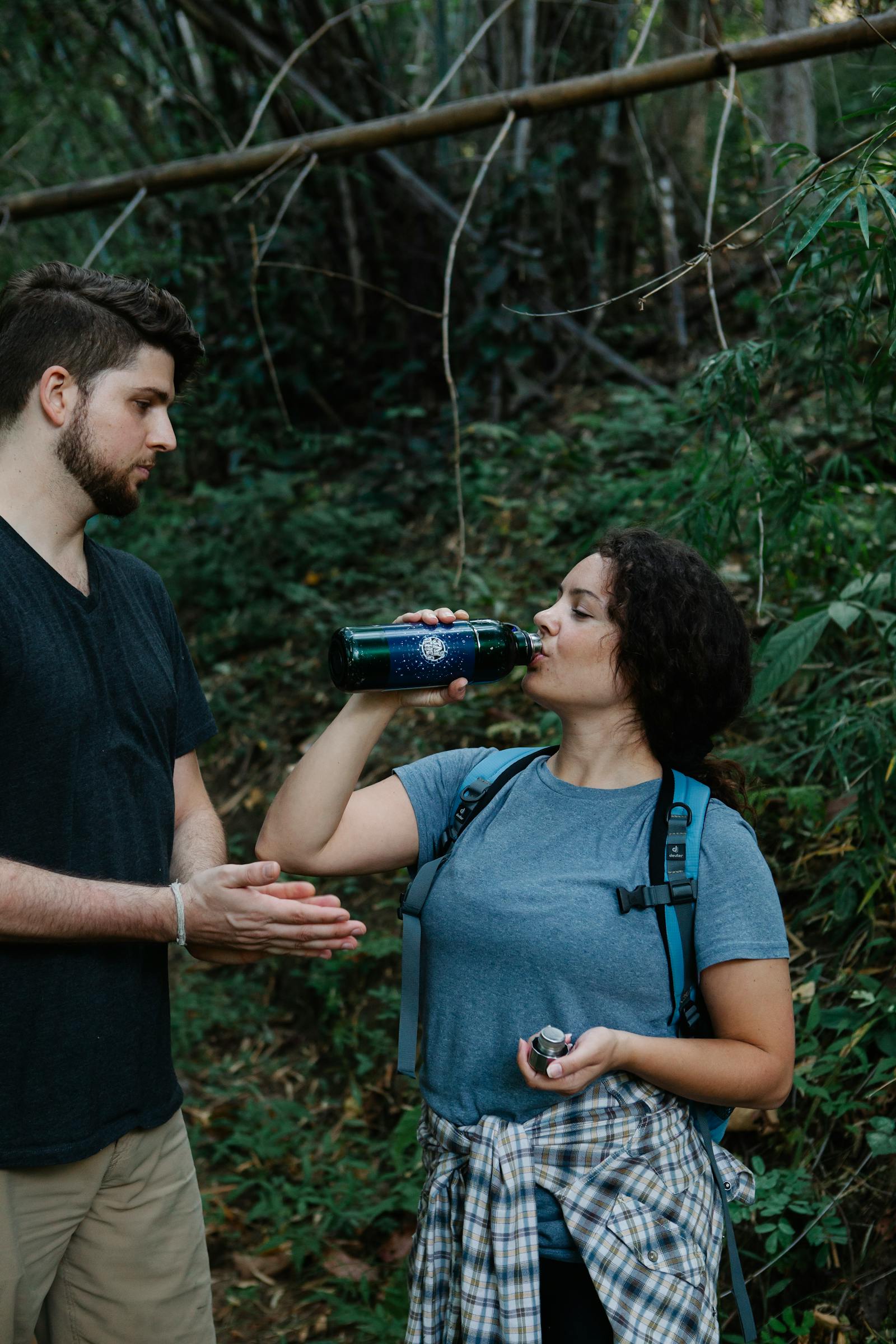
Signs your garden outing is getting ahead of your hydration
You do not need to wait for a major crash. The earlier clues are usually enough.
- You have been walking for a while but mostly had coffee or a sweet drink: that is one of the easiest ways a calm outing turns into a sluggish afternoon.
- You feel more drained than the pace should justify: when the walk never felt hard but you still feel flat, water may be part of the reason.
- You get a mild headache after a greenhouse or sunny stretch: the outing may be asking more of you than it first seemed.
- You keep saying you will drink later: later often becomes after the next exhibit, after the next photo, after lunch, or after the drive home.
- You cannot remember your last real water break: if the answer is vague, the outing probably moved faster than your hydration plan.
A simple hydration plan for botanical garden walks
You do not need a complicated system. A few easy checkpoints usually do the job.
- Drink some water before you arrive: do not let the garden cafe or coffee stop become the true start of your hydration day.
- Bring a bottle you can actually carry comfortably: if it stays buried in a tote, it is easier to ignore.
- Use map checks or exhibit transitions as water cues: every time you stop to reorient, take a quick drink.
- Pay attention after greenhouse sections: warm humid spaces can make the day feel more draining than the outdoor paths alone.
- Log the outing while it is still happening: a quick WaterMinder check-in is easier than trying to reconstruct the day later.
That is where WaterMinder helps. Botanical garden walks are easy to romanticize, which is fair because they are genuinely pleasant. But pleasant does not always mean low demand. A long scenic day can still include sun, steps, humidity, and a loose schedule that leaves plain water behind unless you keep it visible on purpose.
Why WaterMinder helps on low-key outings
Some hydration misses happen on obviously active days, but a lot of them happen on the days that look harmless. Scenic walks, museum visits, garden outings, farmers markets, and travel days all share the same risk: they feel relaxed enough that people assume the basics are already covered. WaterMinder gives those days a simple anchor. You can log before you enter, after a long loop, and again before lunch or the drive home.
If you have a botanical garden visit coming up, think about water the same way you think about sunscreen, tickets, or comfortable shoes. It does not need to take over the outing. It just needs to stay visible enough that a beautiful, easygoing day does not quietly leave you behind by the time you get home.
Stay ahead on scenic walks, garden days, and easy outdoor outings
Use WaterMinder to keep your water goal visible during botanical garden trips, park walks, travel days, and any routine where hydration feels easy to assume instead of track.