
Most people assume thirst is the perfect signal to drink water. That makes sense on the surface. Your body needs fluids, you feel thirsty, you drink. Simple. The problem is that real life is messier than that. By the time many people notice thirst, they are already behind on hydration, distracted by everything else in the day, and more likely to overcorrect late instead of staying steady throughout the day.
That is why so many people say things like, “I forget to drink water until the afternoon,” or “I suddenly realize I have barely had anything all day.” It is not that thirst is useless. It is that thirst is often not the earliest or most practical cue, especially when work, exercise, errands, travel, and caffeine are already pulling your attention in ten different directions.
Why thirst is not always enough
Thirst is a real biological signal, but it is not always the kind of reminder that fits modern routines. When your day gets busy, thirst can fade into the background. You might interpret it as being tired, needing coffee, wanting a snack, or just feeling vaguely off. That is part of what makes hydration so easy to miss.
There is also a difference between responding to thirst and staying ahead of it. If you only drink once you feel noticeably thirsty, you may spend large parts of the day slightly underhydrated without realizing it. That can show up as dry mouth, lower focus, a heavier afternoon slump, or a sense that you never quite feel your best.
- Thirst competes with everything else: deadlines, workouts, messages, travel, and routines often get your attention first.
- Some signals are easy to misread: low energy, headaches, and brain fog do not always scream “drink water.”
- Catch-up drinking feels worse: drinking a lot at once late in the day is less comfortable than spreading it out.
- Habit is stronger than instinct: people who stay well hydrated usually rely on routine, not on perfect awareness.
Why people often miss the signal
One reason thirst is not a great standalone reminder is that most people do not live in low-distraction conditions. They live in calendars, notification pings, errands, commutes, and caffeine habits. If your first half of the day runs on autopilot, water can easily get pushed aside until thirst becomes more obvious.
This is especially true in a few common situations:
- After coffee: you may feel “awake enough” and forget plain water for hours.
- During meetings or desk work: it is easy to keep delaying a refill.
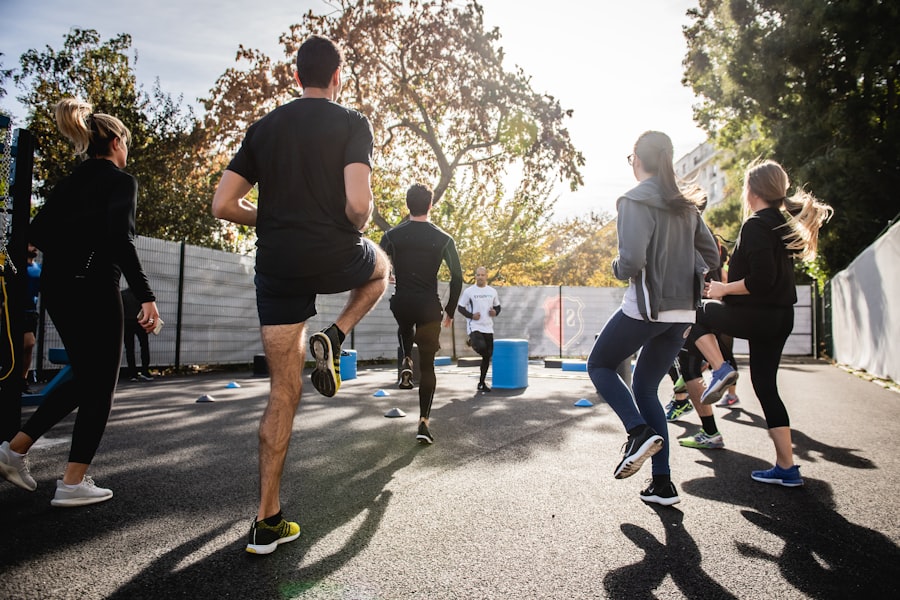
- During workouts or warm weather: you may lose more fluids than usual before noticing it.
- While traveling: routines break, access changes, and hydration becomes one more thing to manage.
- When appetite is off: some people confuse thirst with hunger or ignore both until they feel lousy.
What works better than waiting for thirst
The answer is not forcing yourself to drink huge amounts of water all day. It is building smarter cues that arrive earlier and more reliably. In practice, that usually means using environment, routine, and light tracking instead of hoping your body always interrupts you at the perfect moment.
- Start before the day gets noisy: one glass in the morning makes everything easier later.
- Use habit anchors: drink with breakfast, after a walk, before meetings, or when you refill coffee.
- Keep water visible: on your desk, in the car, in your bag, or next to the couch.
- Use reminders sparingly: a few well-timed nudges work better than constant notifications.
- Track intake: when you can see what you actually drank, you stop guessing.
How this feels in real life
People with solid hydration habits are usually not more disciplined in some heroic way. They just make drinking water easier to remember before thirst turns into discomfort. They have a bottle nearby. They log drinks when they happen. They know when their routine usually falls apart. They fix the weak spots instead of relying on willpower.
That is a much better model than trying to become someone who magically senses every hydration need at exactly the right moment. Good hydration is usually boring. It is small, consistent, and built into the day.
What to watch for if you are always playing catch-up
If you regularly notice thirst only late in the day, pay attention to the pattern rather than blaming yourself. Ask:
- Did I drink anything besides coffee this morning?
- Was water easy to reach today?
- Did I have any reminders or visual cues?
- Do I tend to ignore hydration during work, driving, or errands?
- Would tracking make the pattern obvious enough to fix?
Those questions usually lead to better answers than “Why am I bad at drinking water?” Most hydration problems are setup problems, not character flaws.