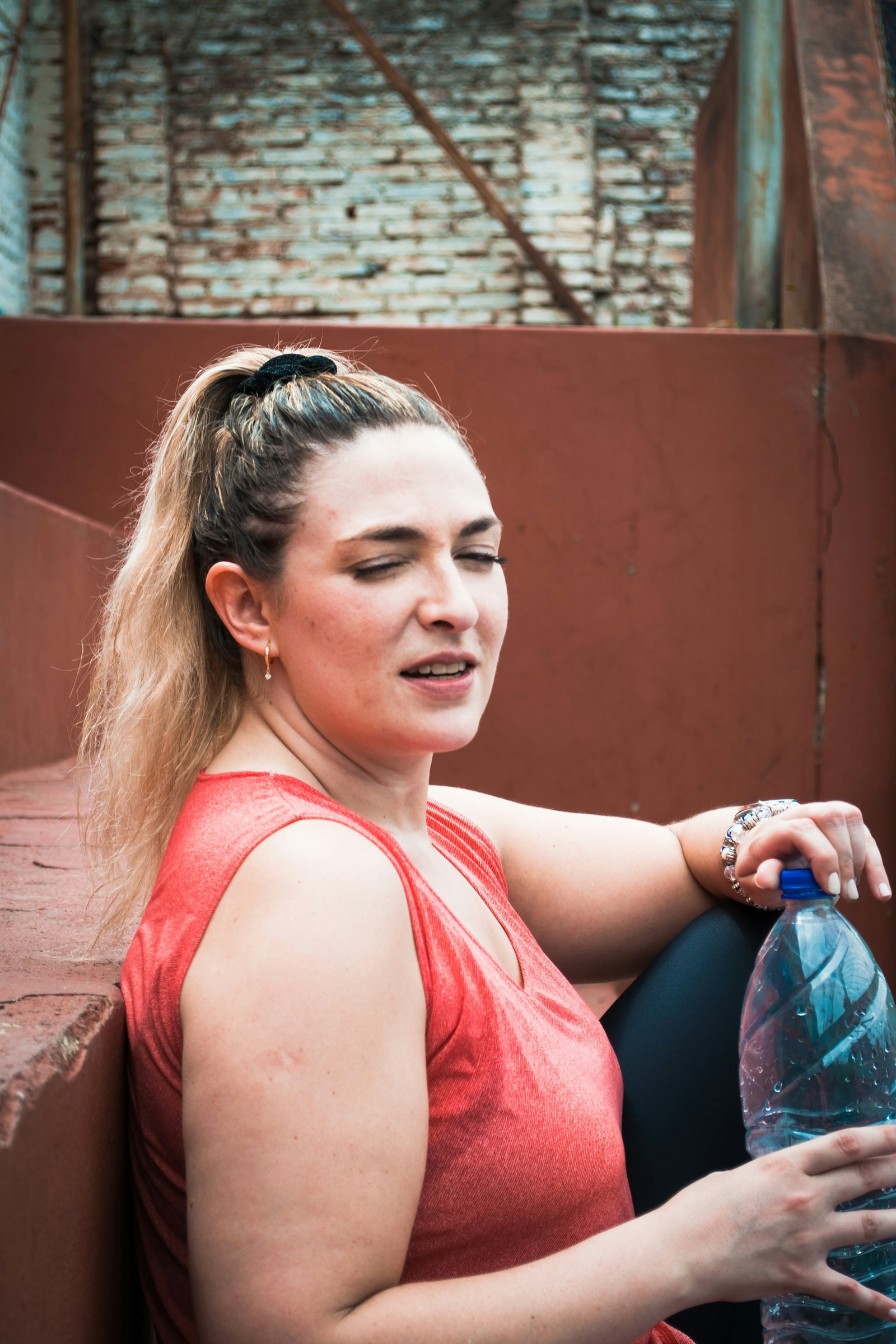
Some days in spring feel great until they do not. You head out into nice weather, the trees look good, the air feels fresh enough, and then by midmorning you feel a little off. Maybe your mouth feels dry. Maybe you have been sniffling and breathing through your mouth more than usual. Maybe you have been bouncing between errands, pollen checks, tissues, and stepping in and out of air conditioning. None of that screams hydration issue on its own, but together it can quietly throw your normal water rhythm off.
That is what makes allergy season tricky. It does not always create a big obvious hydration moment the way a workout, a hot day, or a long hike does. Instead, it creates friction. Your routine gets less smooth. You are focused on symptoms, weather, or getting through the day without feeling gross. And when a habit becomes even slightly less automatic, it often slips. Water is one of the first things to go.
For a lot of people, spring also means more time outside after months of winter habits. You walk more, sit on patios more, run weekend errands in longer stretches, spend time at parks, tackle outdoor chores, or go to kids' games and school events. Even when temperatures feel comfortable, all of that can shift the day enough that your normal drink timing disappears. You may not feel thirsty in a dramatic way, but you still end up finishing the day behind where you usually are.
Why allergy season can make hydration feel harder than expected
There is not just one reason. It is usually a stack of small things that make water easier to miss.
- You may breathe through your mouth more often: when your nose feels stuffy, dry mouth becomes more common, which can make you feel uncomfortable without automatically fixing the problem by drinking more.
- You spend more time outside: spring invites longer walks, errands, patio stops, games, gardening, and casual time in the sun that feels low effort but still stretches the day.
- Your environment keeps changing: going from pollen outside to cooled indoor air can make the day feel physically irritating in ways that are easy to blame on allergies alone.
- Your hands are busy: tissues, bags, steering wheels, coffee cups, jackets, and on-the-go plans leave less room for a bottle unless you intentionally keep one nearby.
- Your routine becomes symptom-first: when you are thinking about sneezing, itchy eyes, or getting somewhere on time, water tends to feel optional until you are already behind.
Why spring comfort can hide the problem
One reason hydration slips in allergy season is that spring is pleasant enough to lower your guard. It does not feel as intense as summer. You are not necessarily sweating heavily. You may even feel like you are doing less because nothing about the day reads as high effort. That comfort can be deceptive. The issue is not always dramatic fluid loss. Often it is simple inconsistency. You meant to drink water, but the day kept nudging that habit later and later.
That matters because feeling slightly behind on hydration can make a normal day feel more annoying than it should. A mild headache feels heavier. A long errand run feels more draining. The afternoon feels flatter. Your focus gets a little worse. Again, that does not mean every bad spring day is about water, but hydration is one of the easiest supportive habits to keep steady when everything else feels a bit off.
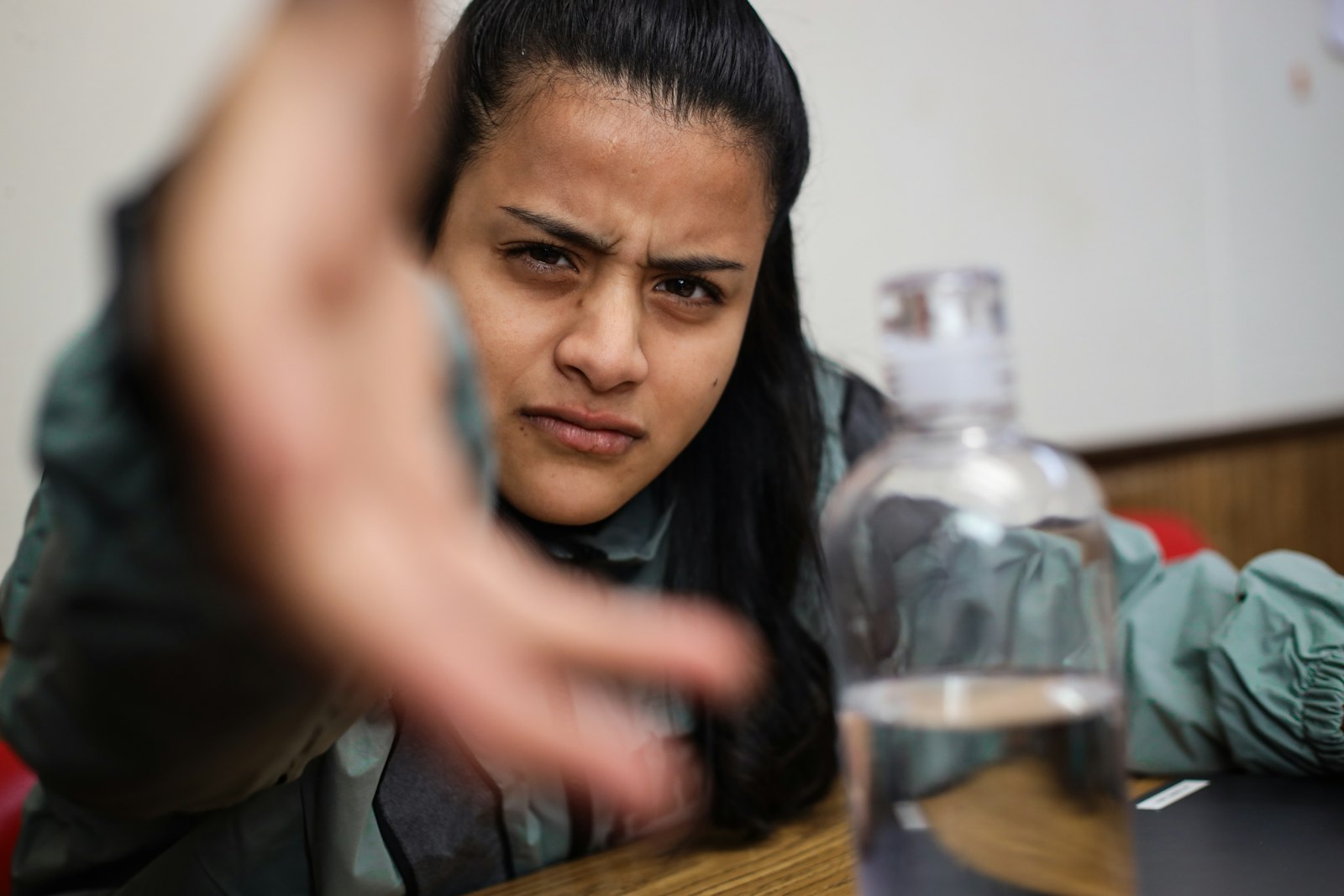
Small signs your spring routine may be pushing water behind
You usually do not need a perfect measurement to spot the pattern. A few repeat experiences are enough.
- You leave the house with coffee but no water: if that becomes your default, the rest of the day often starts from behind.
- You keep meaning to refill later: busy spring days create a lot of "after this stop" moments that never quite happen.
- Your mouth feels dry but you are not sure why: allergies may be part of it, but that is still a useful cue to check in with water.
- You feel more drained after normal errands or outdoor time: ordinary activity can feel harder when hydration is uneven.
- You log much less water on days with more allergy friction: this is one of the clearest signs that the season is changing your baseline habit.
A simple hydration plan for allergy season
You do not need to overcomplicate it. The best plan is usually one that fits the kind of scattered day spring tends to create.
- Drink before heading outside: whether it is a walk, school pickup, a game, or errands, starting with water is easier than trying to catch up later.
- Keep one bottle in your usual spring path: near the door, in the car, in your tote, or on your desk, wherever it will actually stay visible.
- Pair water with resets: when you get back indoors, sit down after being outside, or take a break from driving, have a few sips before moving on.
- Do not rely on thirst alone: distracting days are exactly when reminders help because attention is already being used elsewhere.
- Log while the day is happening: if you wait until evening to guess, spring days blur together fast.
What makes this approach work is that it respects the reality of allergy season. You are probably not trying to build an elaborate wellness routine while your day already feels more annoying than usual. You just need water to become easy again. Visible, repeatable, low effort, that is the whole goal.
Why WaterMinder helps when spring habits get less consistent
WaterMinder is useful in seasons like this because it removes some of the thinking. Instead of wondering whether you are doing fine, you can actually see your goal and your progress. That matters on days when your usual cues are weaker. Maybe you are indoors and outdoors all day. Maybe your schedule looks nothing like winter. Maybe you are just a little more distracted than usual. A simple prompt and a quick log are often enough to keep the day from slipping.
Allergy season does not need to become one more thing to manage perfectly. But if spring has been making your routine feel less steady, hydration is a good place to make things simpler. Keep water nearby, log it while the day is moving, and let WaterMinder handle the part that is easiest to forget.
Keep hydration steady when spring routines get messy
Use WaterMinder to track drinks, stay aware of your goal, and make hydration one less thing to think about during allergy season.