WaterMinder article Published July 9, 2026 2 photos

Why Weekend Errand Days Make It Easy to Fall Behind on Water

Weekend errand days can quietly push hydration behind with store stops, coffee, car time, and one more place to go.

Weekend errands are the kind of day that feels short until it is suddenly almost over. You keep moving, keep checking things off, and forget that drinking water never got its own stop.

The short version

Weekend errand days can quietly push hydration behind with store stops, coffee, car time, and one more place to go.

Best for
Shopping runs and scattered weekend plans
Main risk
Car time, coffee, and too many stops
Best habit
Drink before the first stop and at every parking lot

What tends to happen

  • You bring water but forget to finish it.
  • You stay busy long enough that the next refill never feels urgent.
  • You leave and head straight into one more errand.

Weekend Errand Days Make It Easy to Fall Behind on Water can look simple from the outside and still be rough on hydration. The heat, the waiting, the moving around, and the late-day routine all add up faster than they feel in the moment.
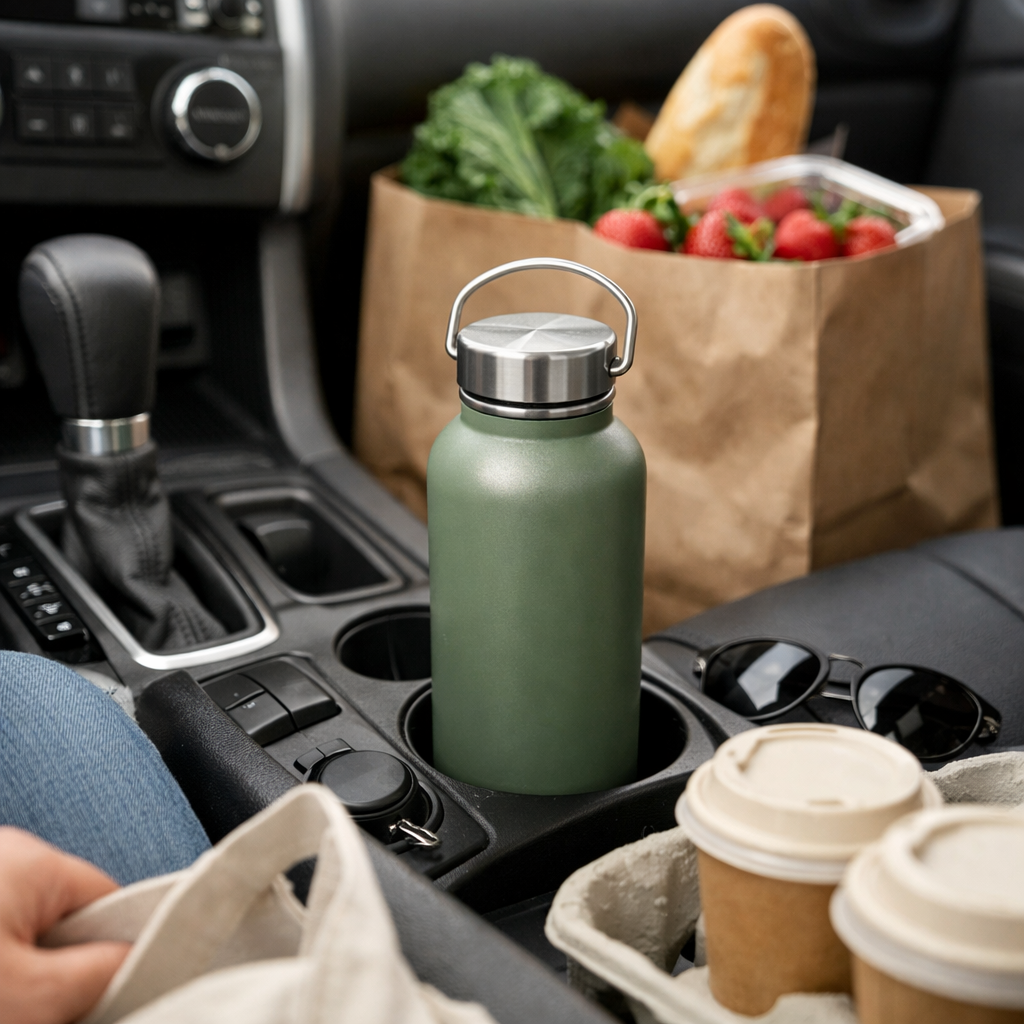
Weekend errand run with a reusable water bottle in a car cup holder
Errand days win when water is part of the route.

Why the day feels easier than it is

The trap is usually timing. By the time the day gets busy, you are already behind on fluids and the chance to catch up feels smaller.

The fix is to make the water part visible before the day gets noisy so you are not trying to remember it in the middle of everything else.
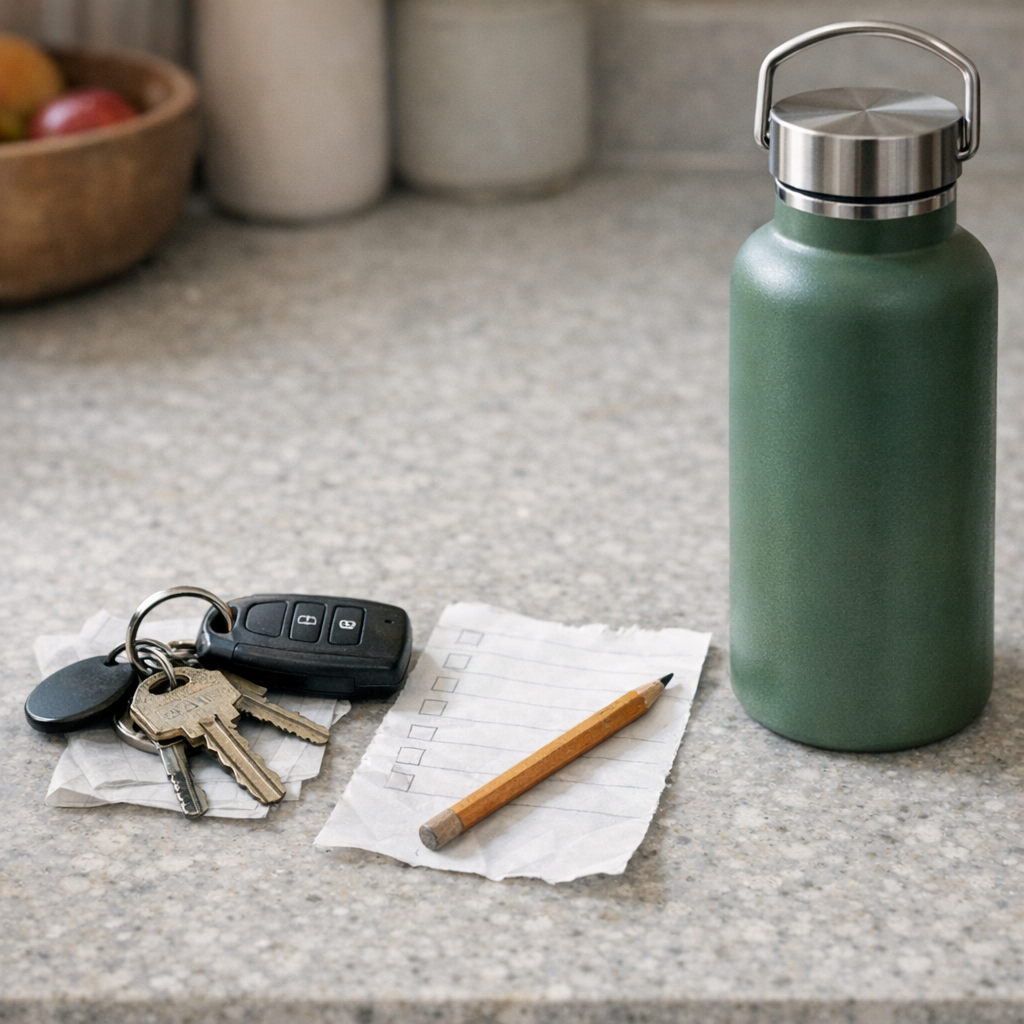
Keys, a grocery list, and a reusable water bottle on a kitchen counter before errands
The bottle should be easy to see before you leave.

Simple ways to stay ahead

  • Drink a full glass before you leave the house.
  • Keep a bottle where you can reach it without digging through bags.
  • Take a few sips at the first natural break.
  • Refill before the drive home if the evening will continue into dinner or errands.

How WaterMinder helps

WaterMinder turns the day into a few obvious checkpoints. That matters because the problem is rarely one giant mistake. It is usually a long stretch where nobody noticed water was missing.